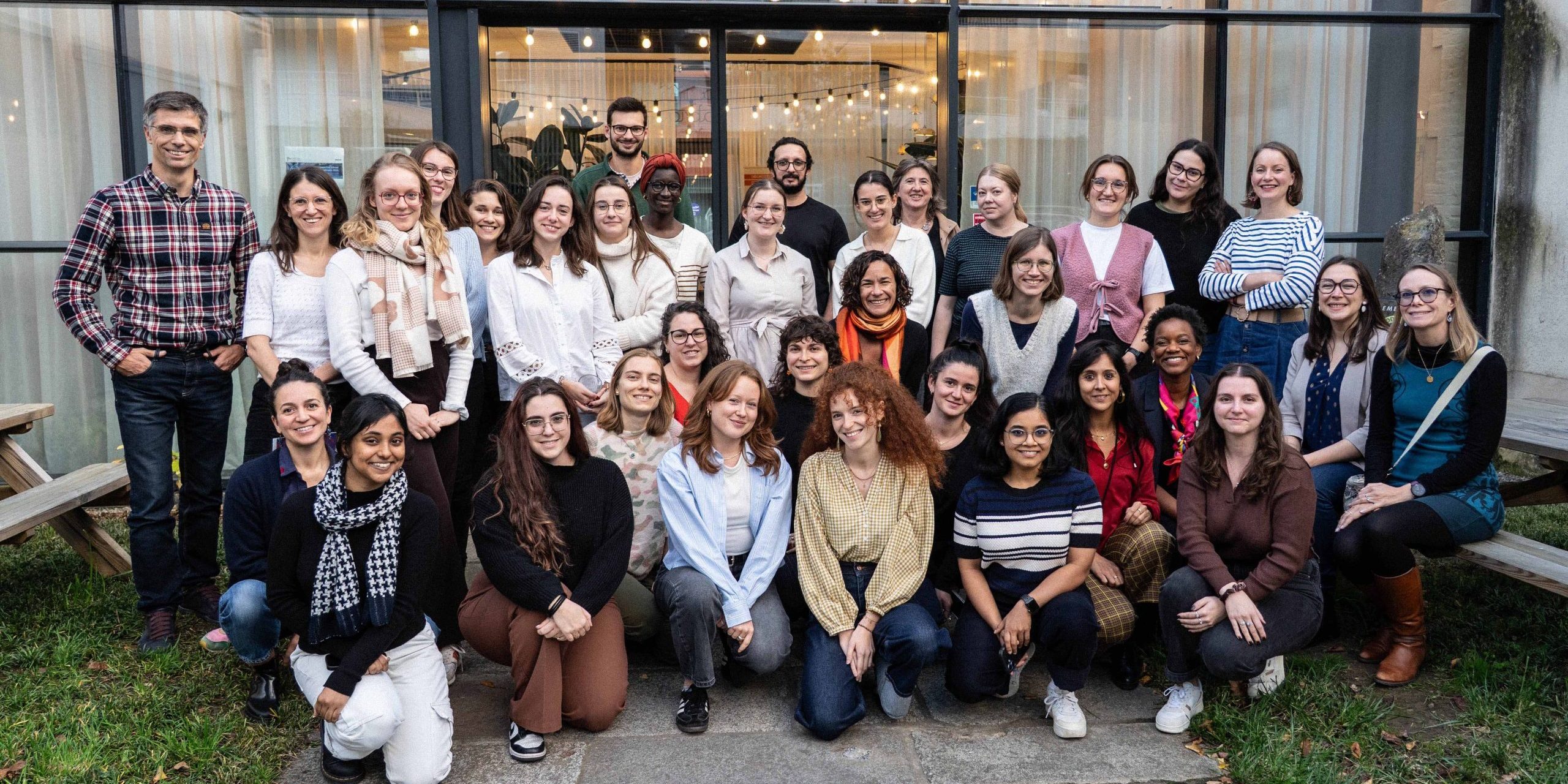
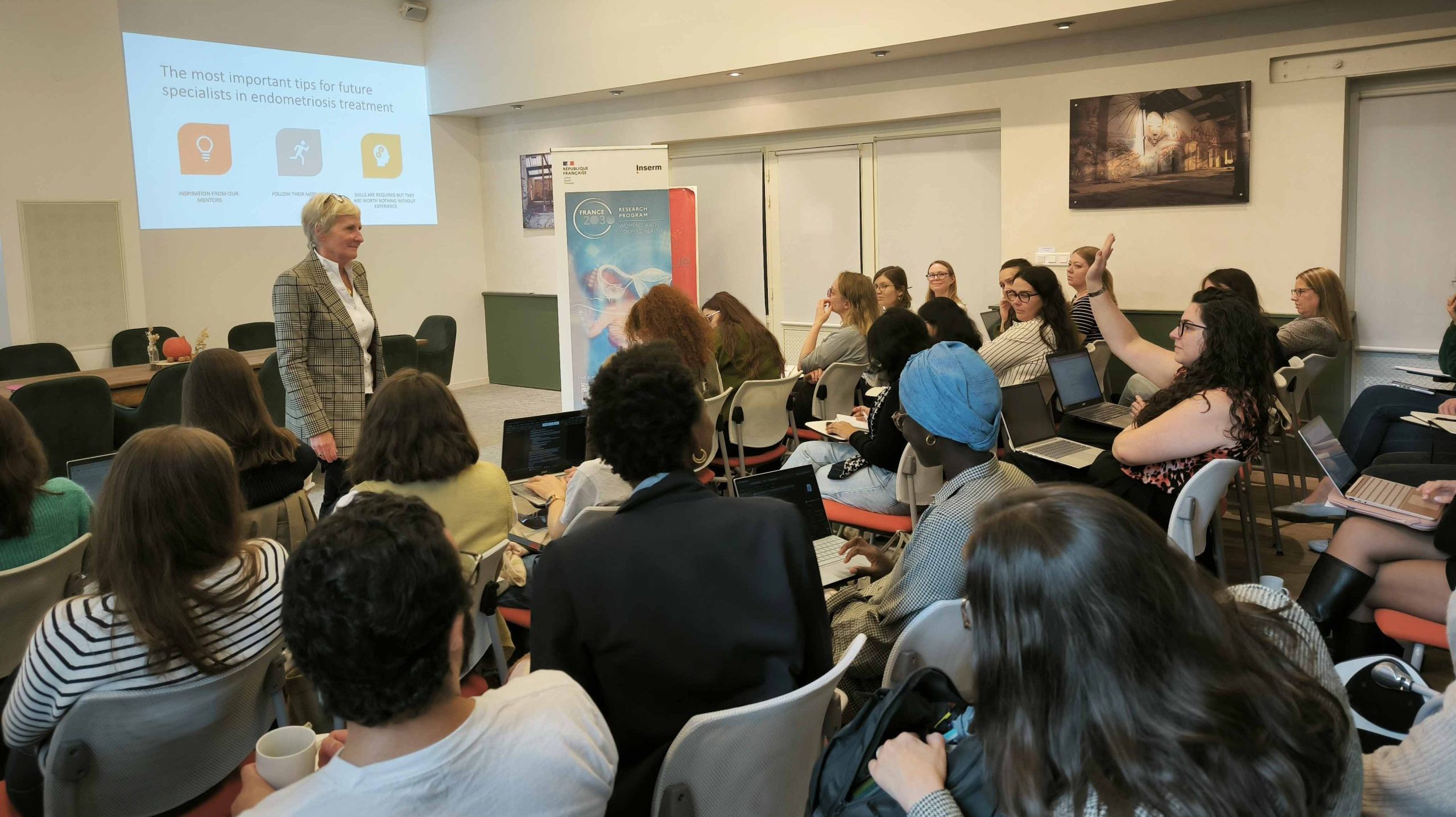
The first Fall School of the France 2030 research program “Women’s and Couples’ Health” was held from November 3 to 7, 2025, at La Fabrique in Rennes. This year, the training focused on endometriosis and brought together 25 participants from the PEPR SaFe and French and European research communities working on this topic. Young researchers working on endometriosis (doctoral and postdoctoral students in science, medicine, public health, and the humanities and social sciences, medical interns, and clinicians) attended a week of intensive, immersive training with experts, renowned researchers, and professionals from multiple disciplines.
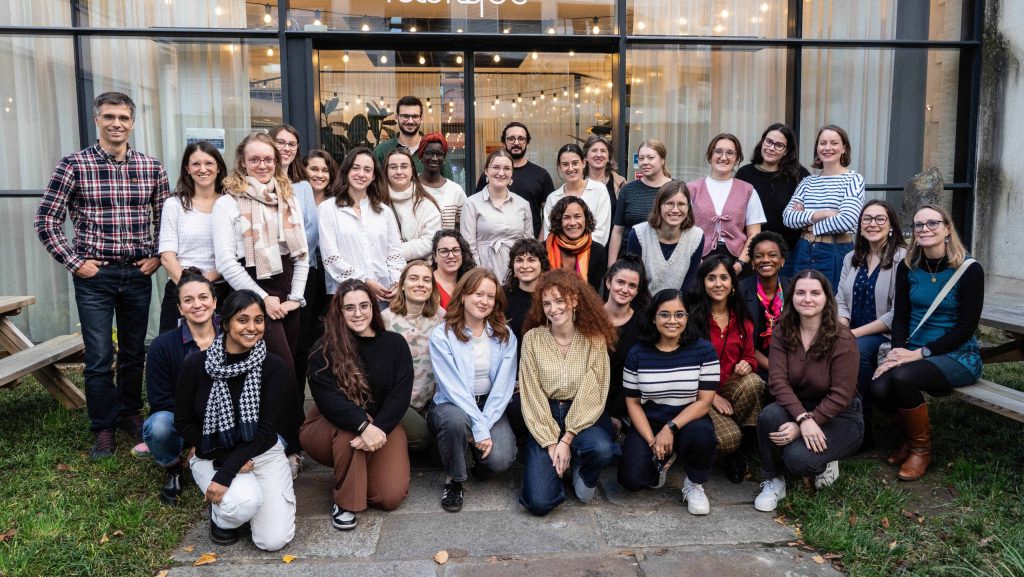
Upon arriving at La Fabrique late Monday morning, November 3, participants had the opportunity to introduce themselves and meet the organizing team during an icebreaker session followed by lunch.
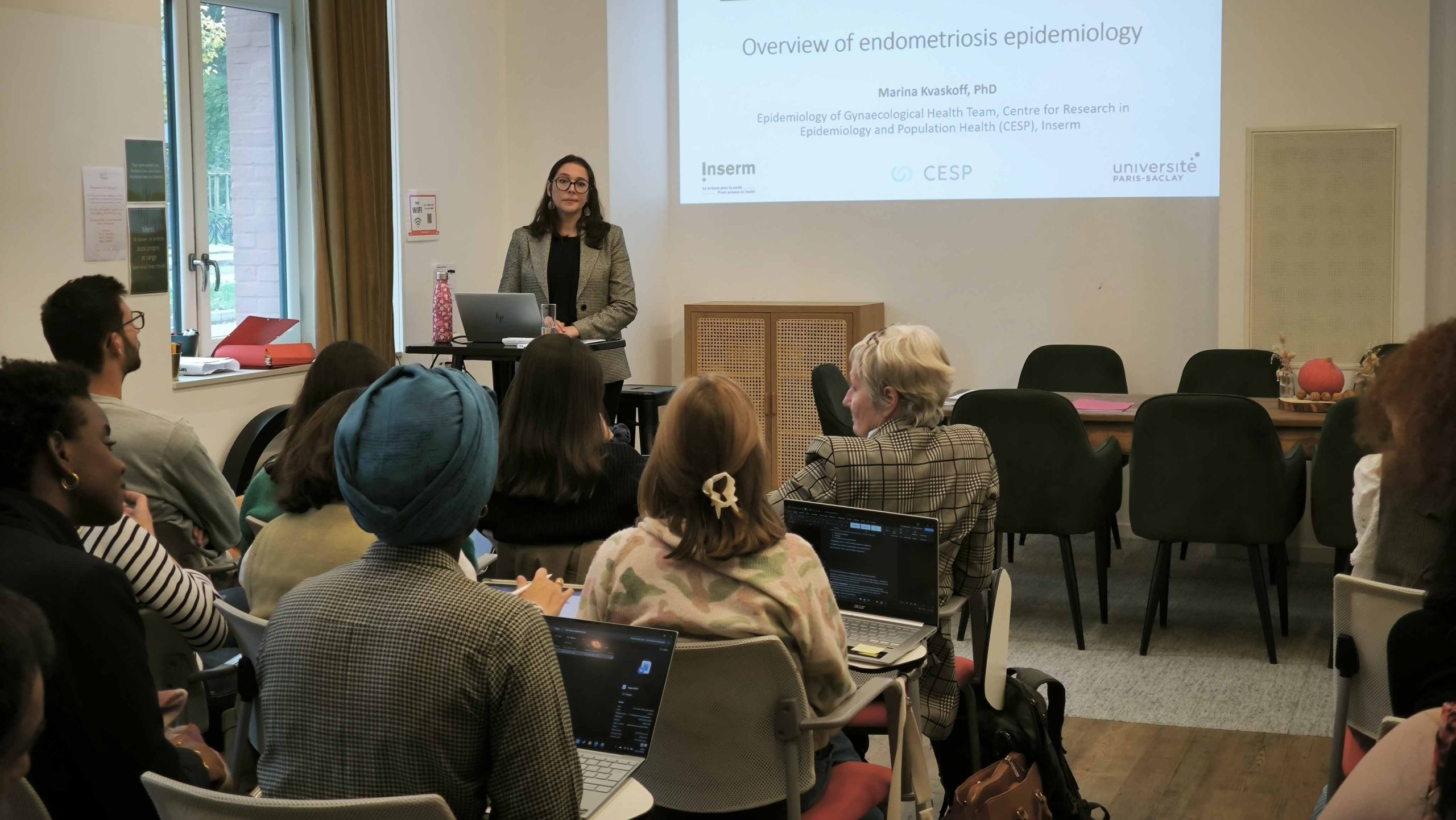
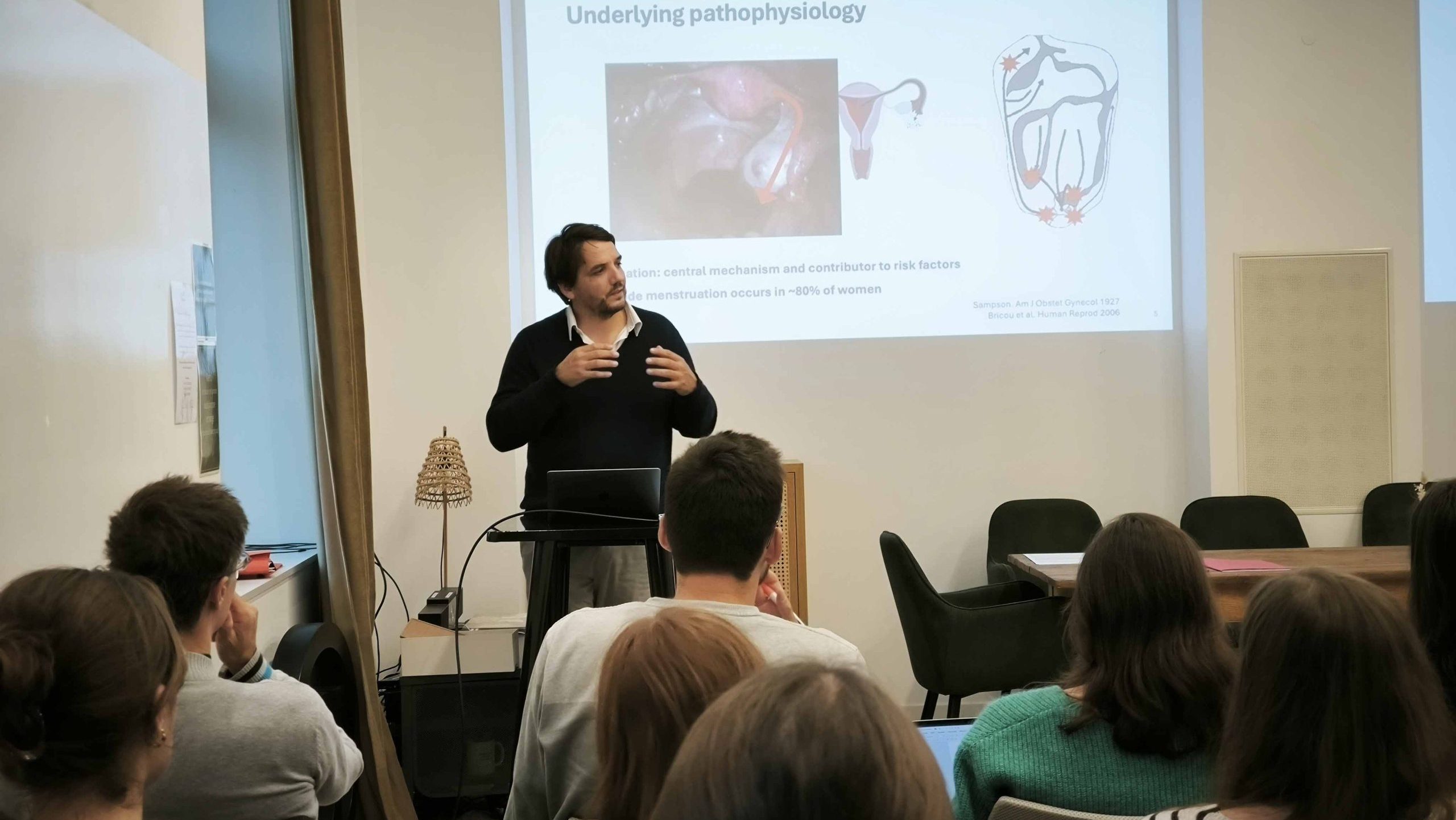
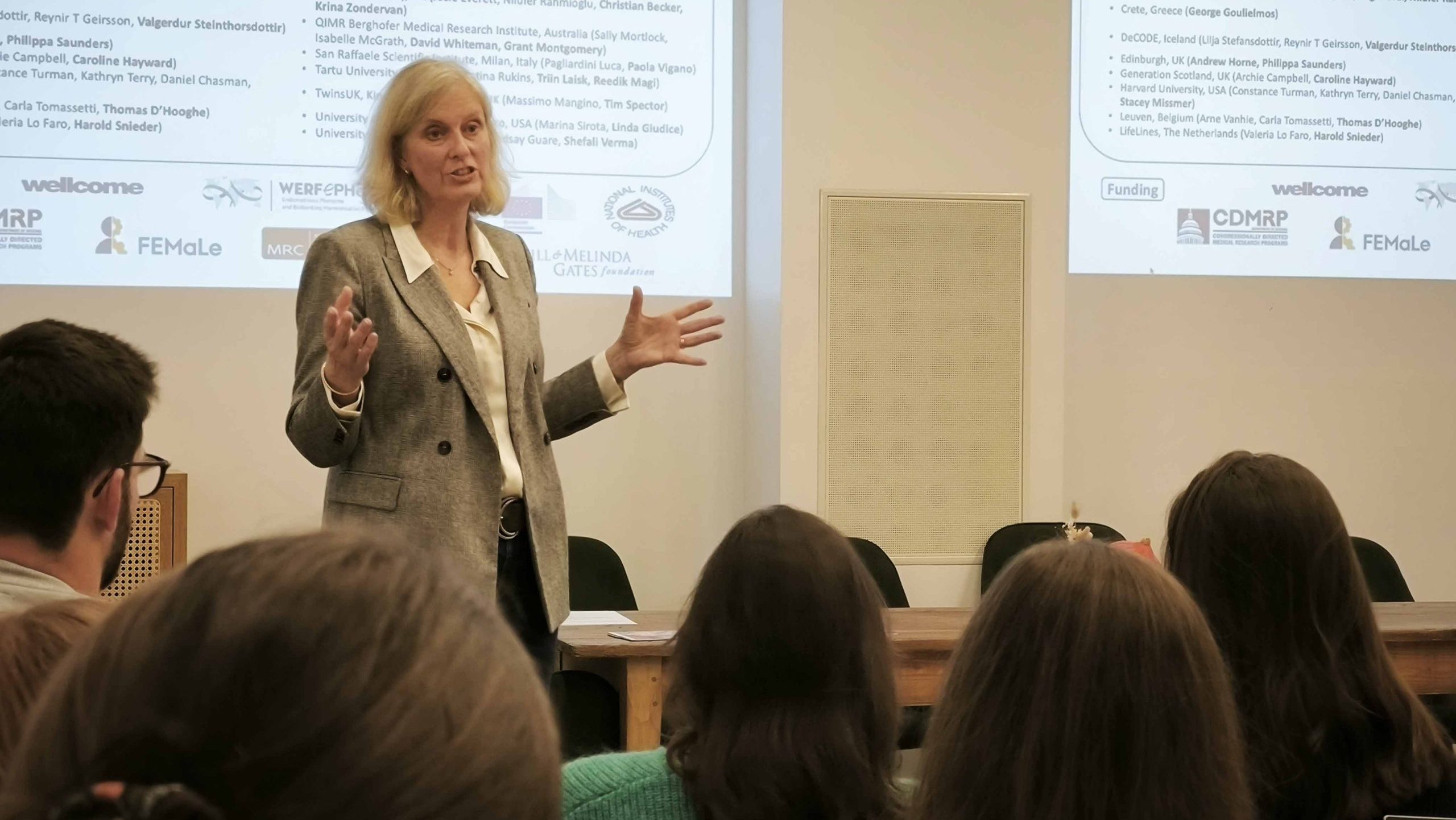
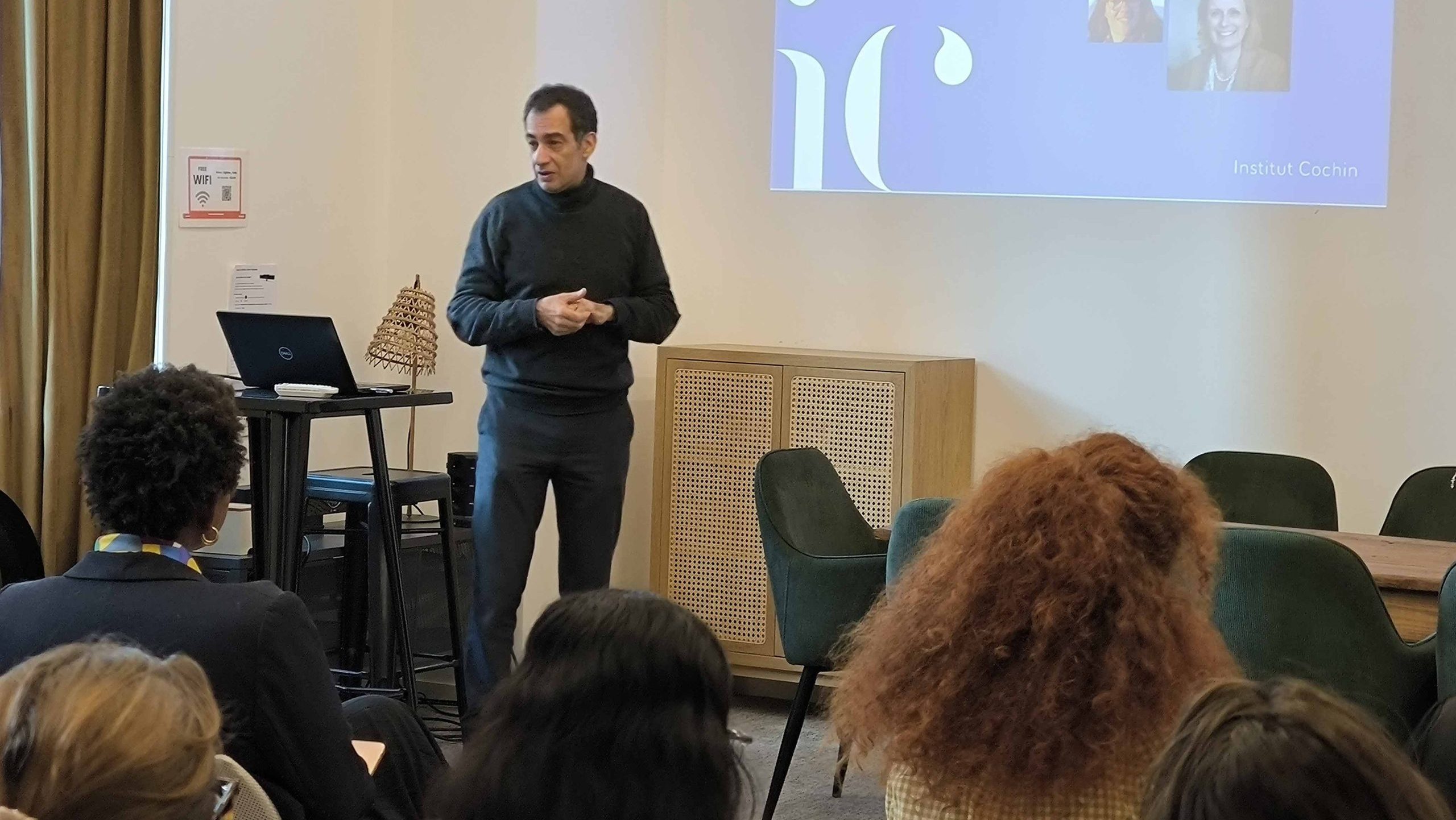
In the early afternoon, Michelle Nisolle, a gynecologist-obstetrician specializing in endometriosis and complex gynecological pathologies at the Citadelle Hospital in Liège, began the training with a review of the history of endometriosis. Marina Kvaskoff, an epidemiologist at Inserm, then discussed the epidemiology of this disease before Louis Marcellin, a gynecologist-obstetrician at the Institut Cochin, presented the treatments currently used and those to come in the treatment of endometriosis. Finally, the afternoon concluded with a presentation by Krina Zondervan, professor of genomic and reproductive epidemiology at the University of Oxford, on the importance of genetic studies in identifying risk factors associated with endometriosis.
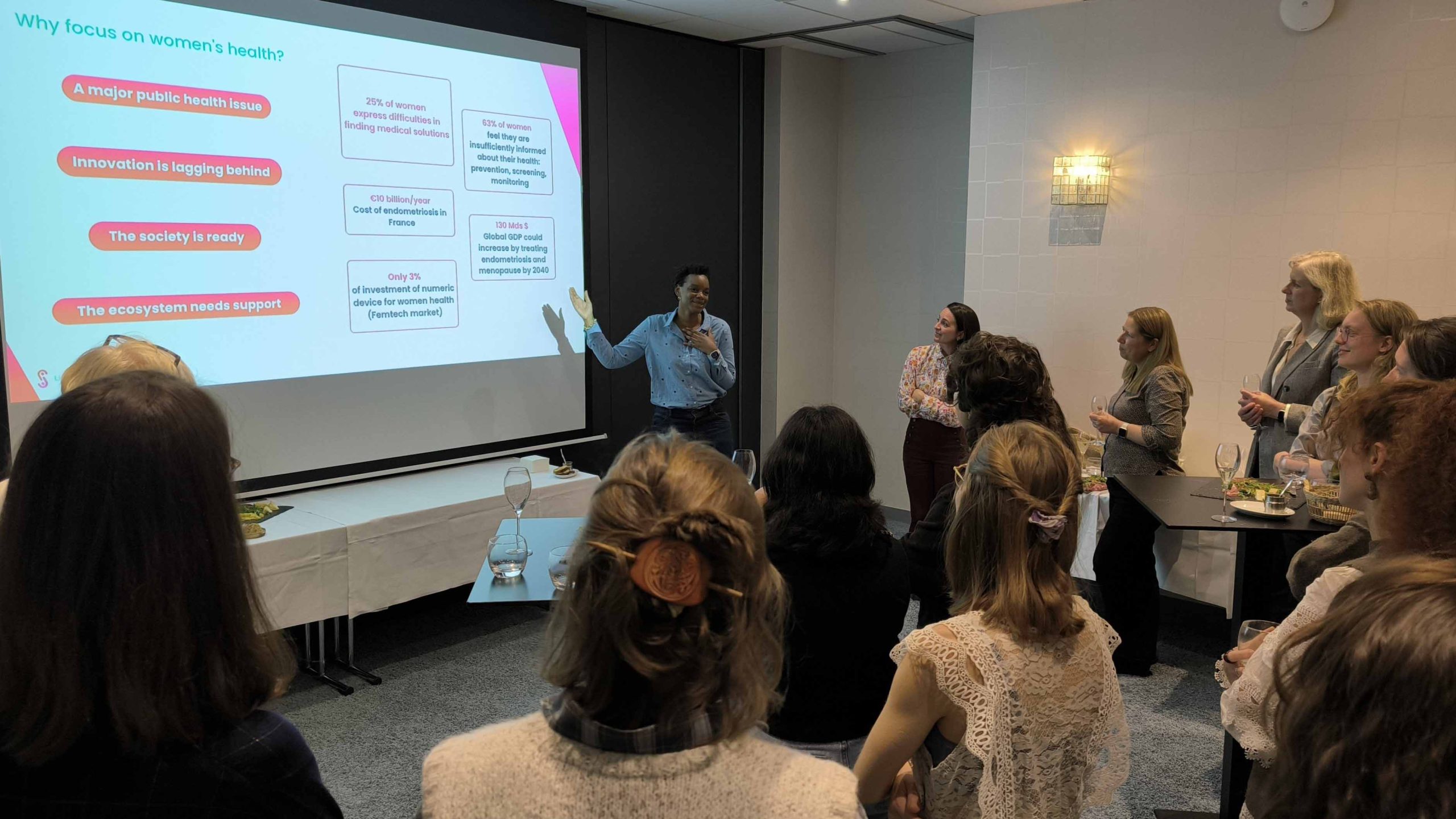
The evening was punctuated by a cocktail reception during which the topic of women’s health, a largely unexplored field of research and innovation, was discussed. Krystel Nyangoh Timoh and Ophélie Carta discussed this major public health, equality, and empowerment issue and presented the Living Lab Santé des Femmes: the first collaborative innovation initiative in France entirely dedicated to women’s health.
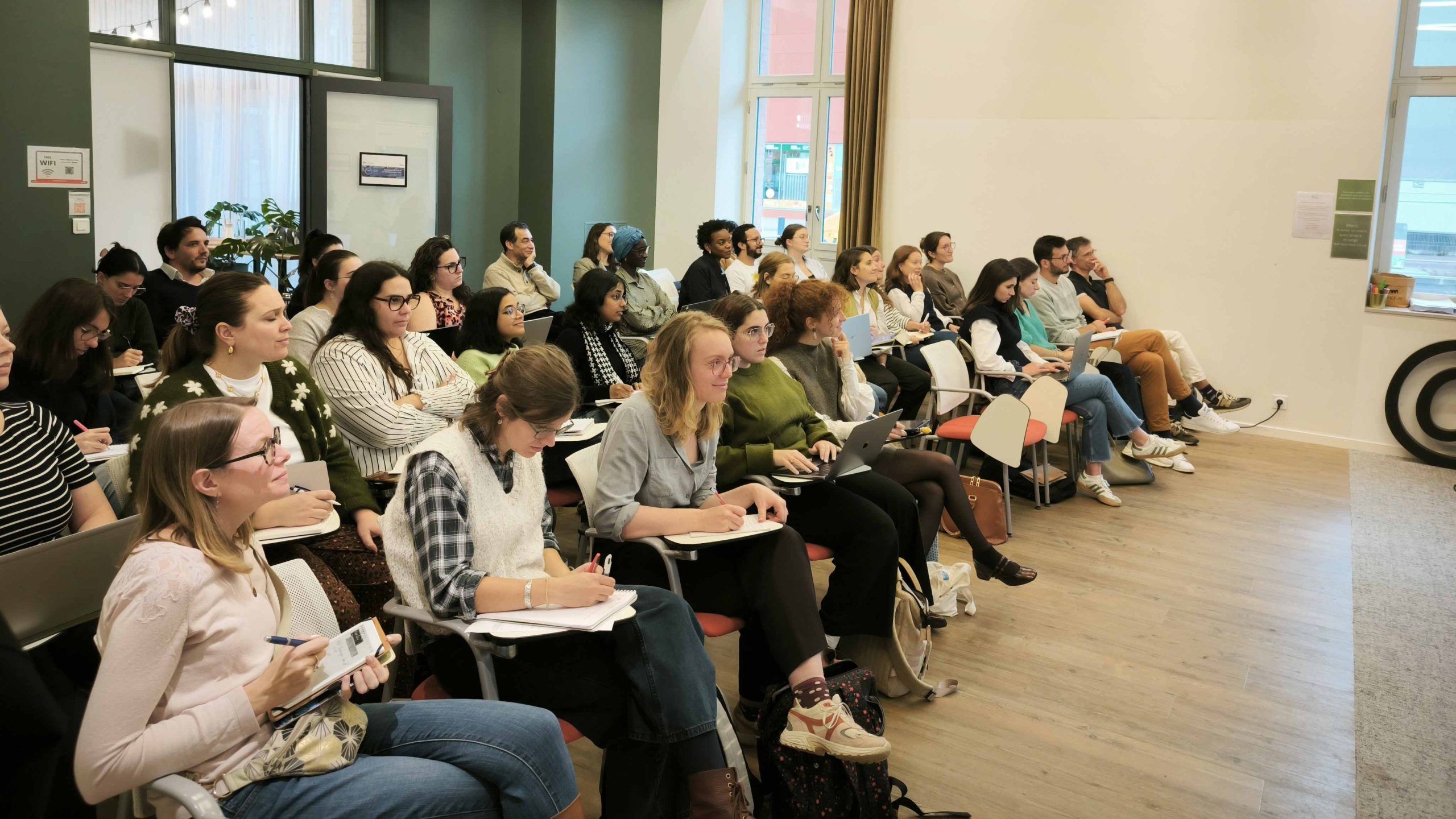
On Tuesday, November 4, presentations focused on pain associated with endometriosis.
Katy Vincent, a professor specializing in gynecological pain at Oxford University, reviewed nociception and the definition of pain before focusing on chronic pelvic pain and presenting the different approaches to classifying and measuring pain in the context of endometriosis. Stéphane Ploteau, a hospital practitioner specializing in anatomy and gynecology-obstetrics at Nantes University Hospital, then presented the different approaches to managing and treating pain associated with endometriosis. Finally, Claire Cardillac, a gynecologist-obstetrician at Nantes University Hospital, addressed the subject of pain perception in patients.
The second day provided an opportunity to hold various workshops:
- a situational training workshop on multidisciplinary consultation meetings with the study of a clinical case led by Krystel Nyangoh Timoh, gynecological surgeon at Rennes University Hospital.
- a virtual tour of the gynecology department at Rennes University Hospital with Krystel Nyangoh Timoh, and of LABERCA (Laboratory for the Study of Residues and Contaminants in Food) with German Cano Sancho.
- a workshop on clinical research methodology with analysis of scientific articles and identification of their strengths and weaknesses.
After dinner, participants were treated to a screening of the documentary film “Below the Belt” which follows the journeys of four women living with endometriosis in the United States.
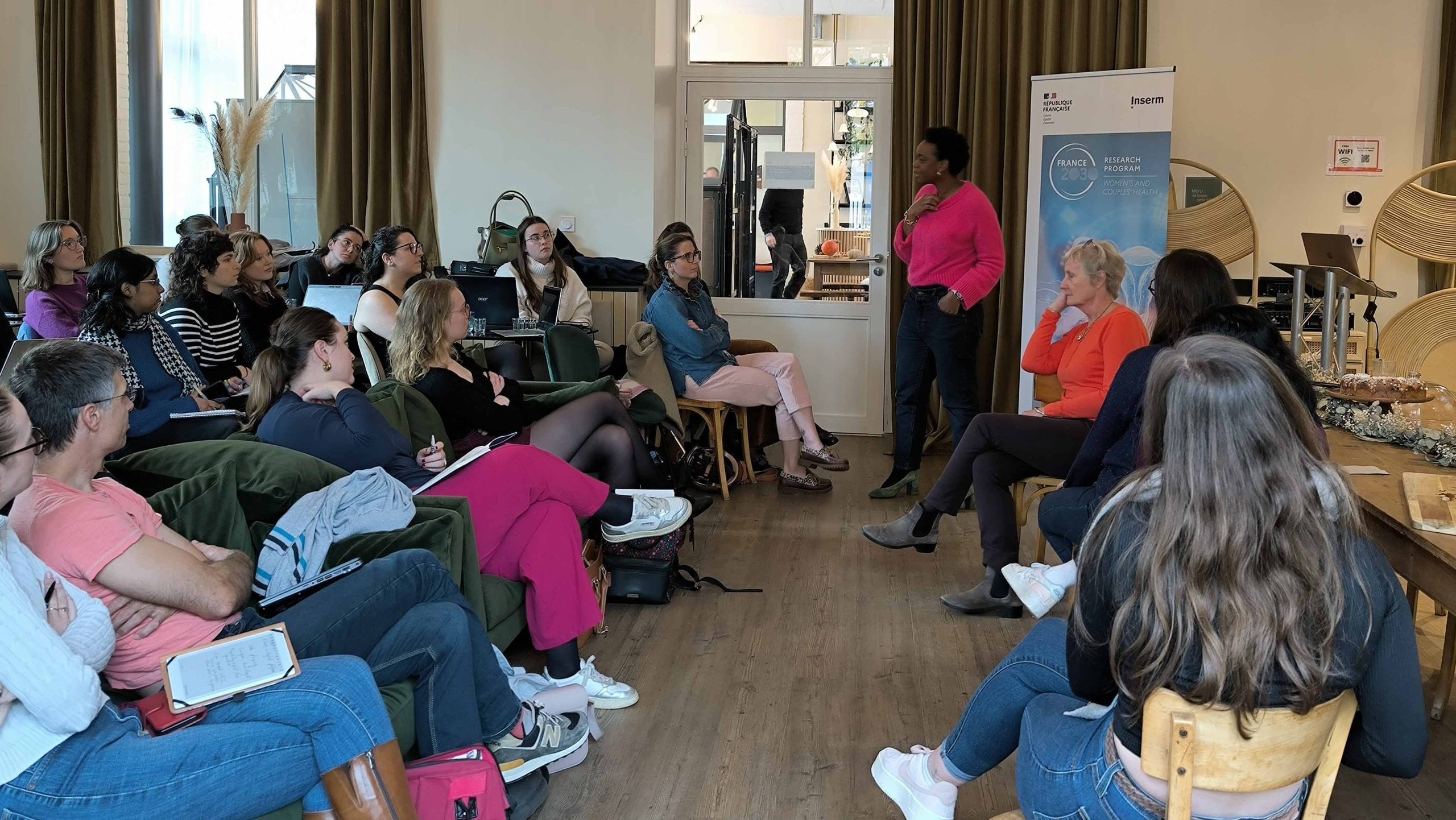
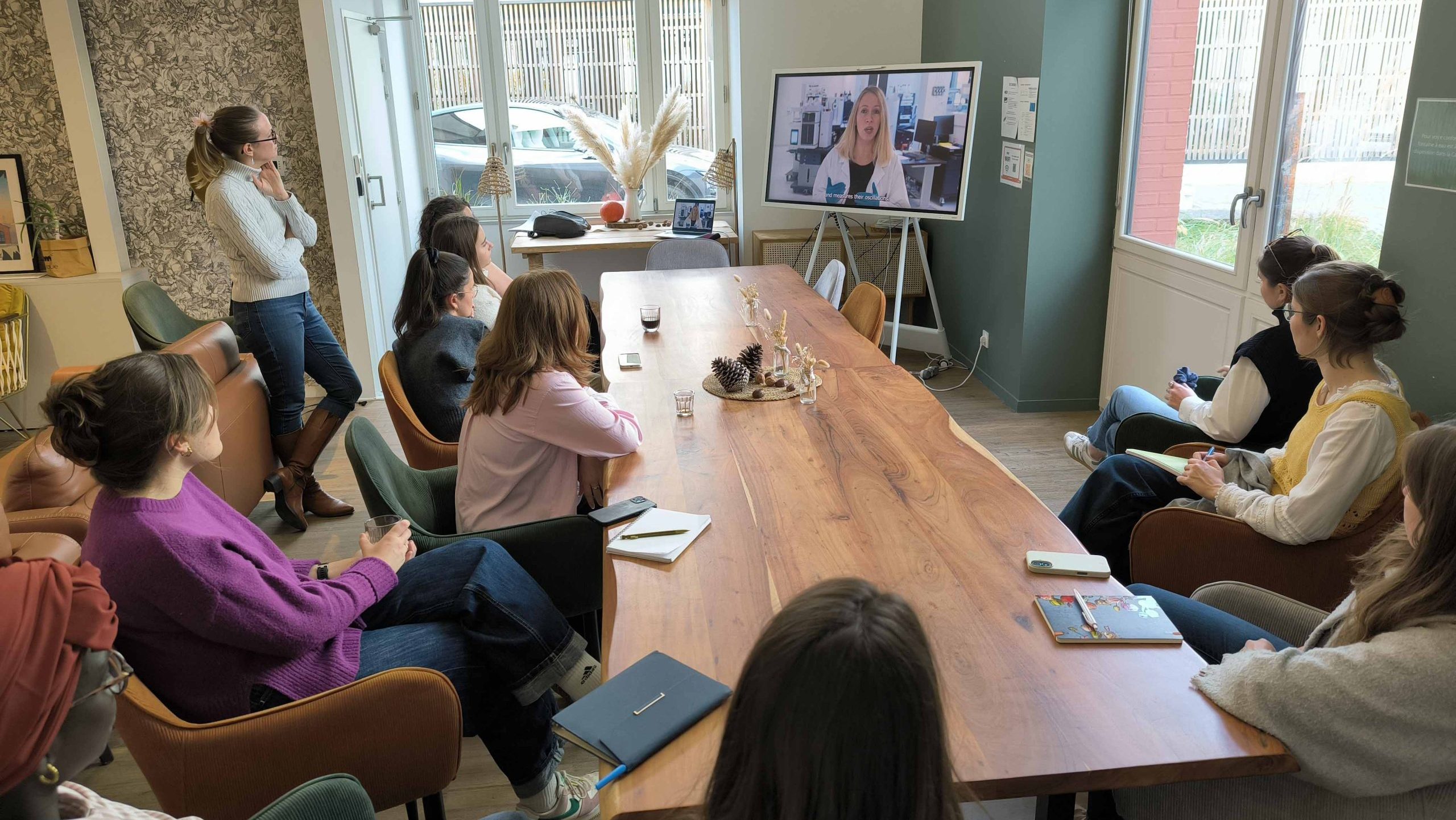
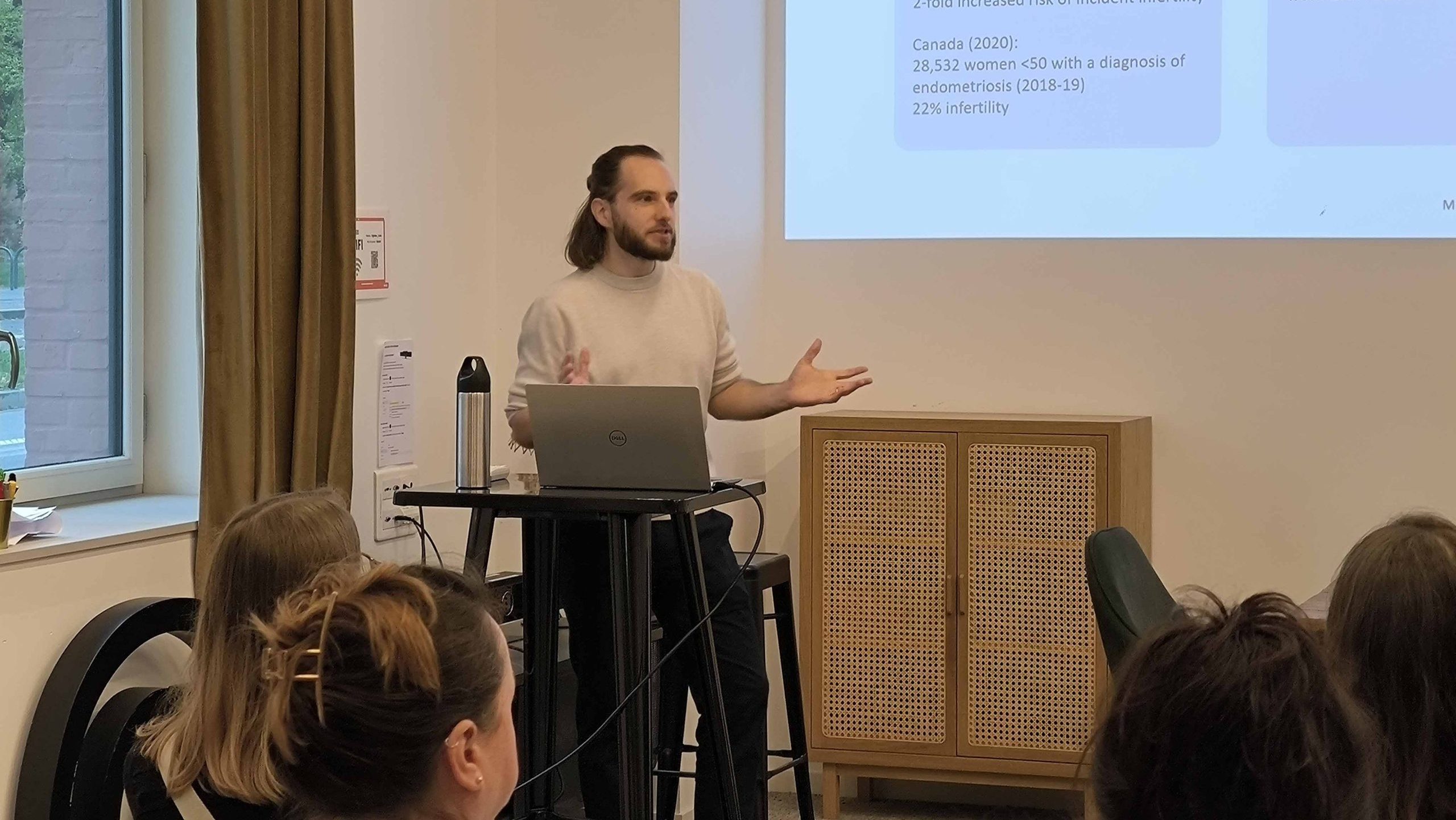
The morning of the third day of this school was devoted to infertility associated with endometriosis.
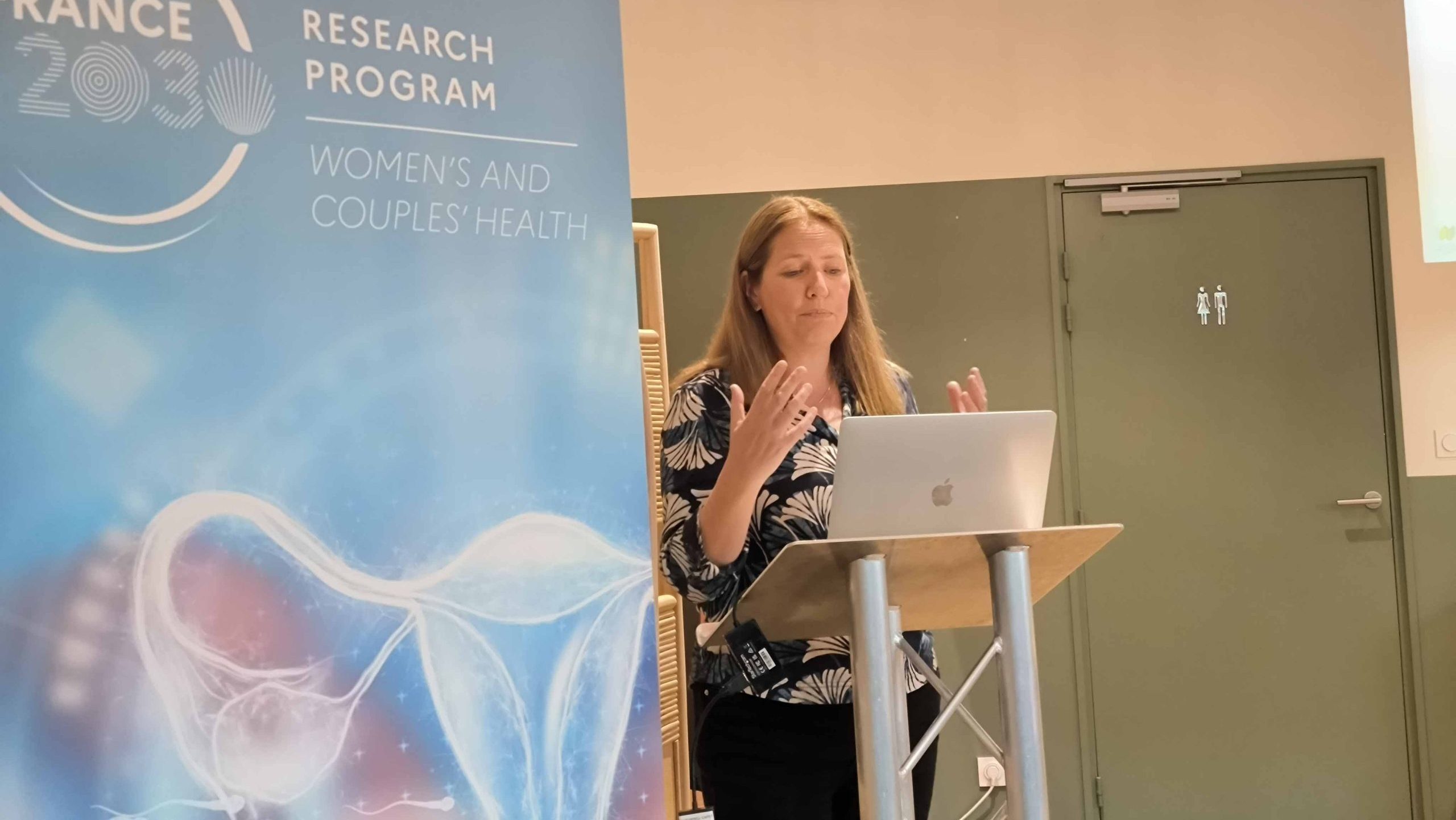
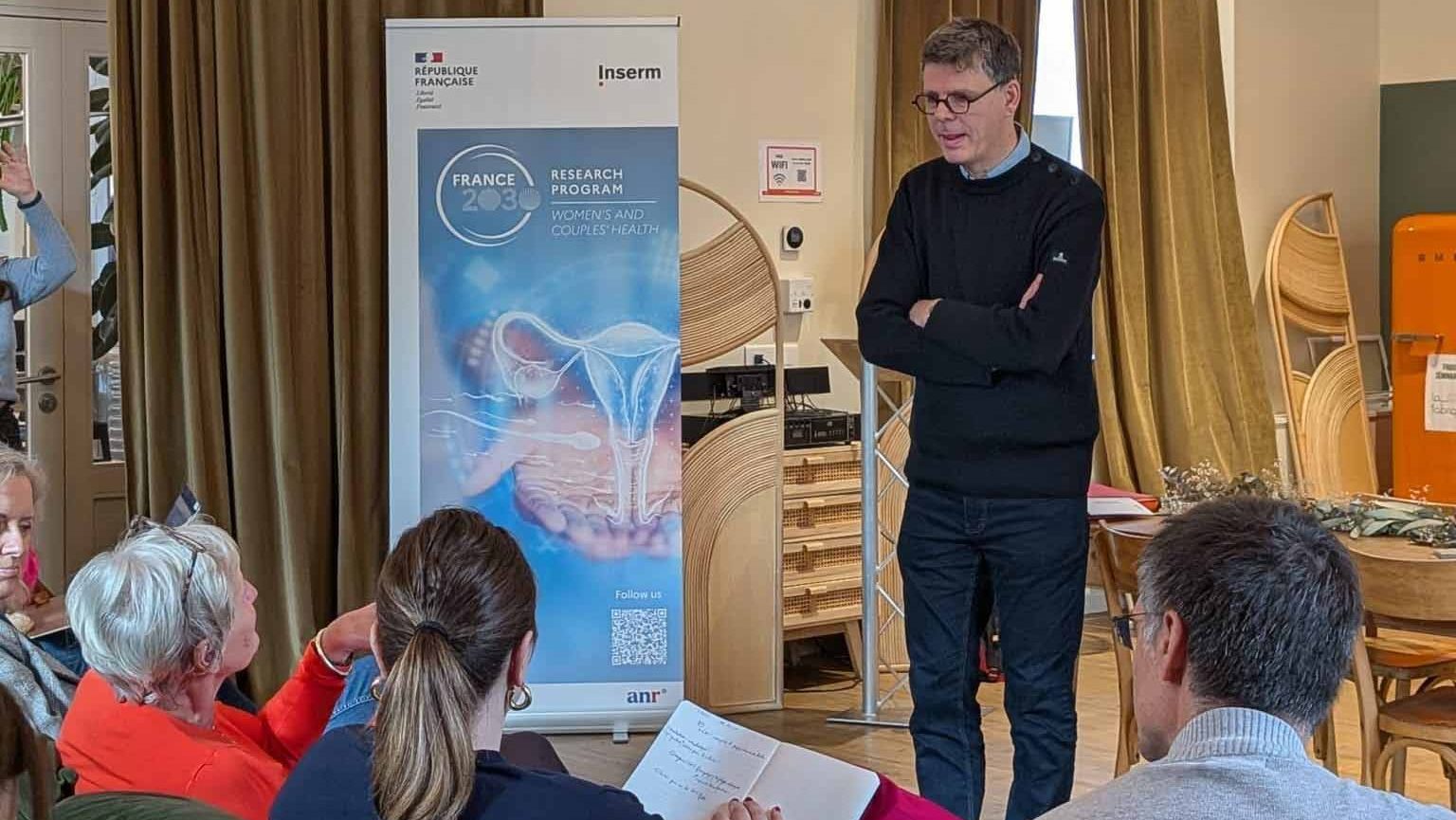
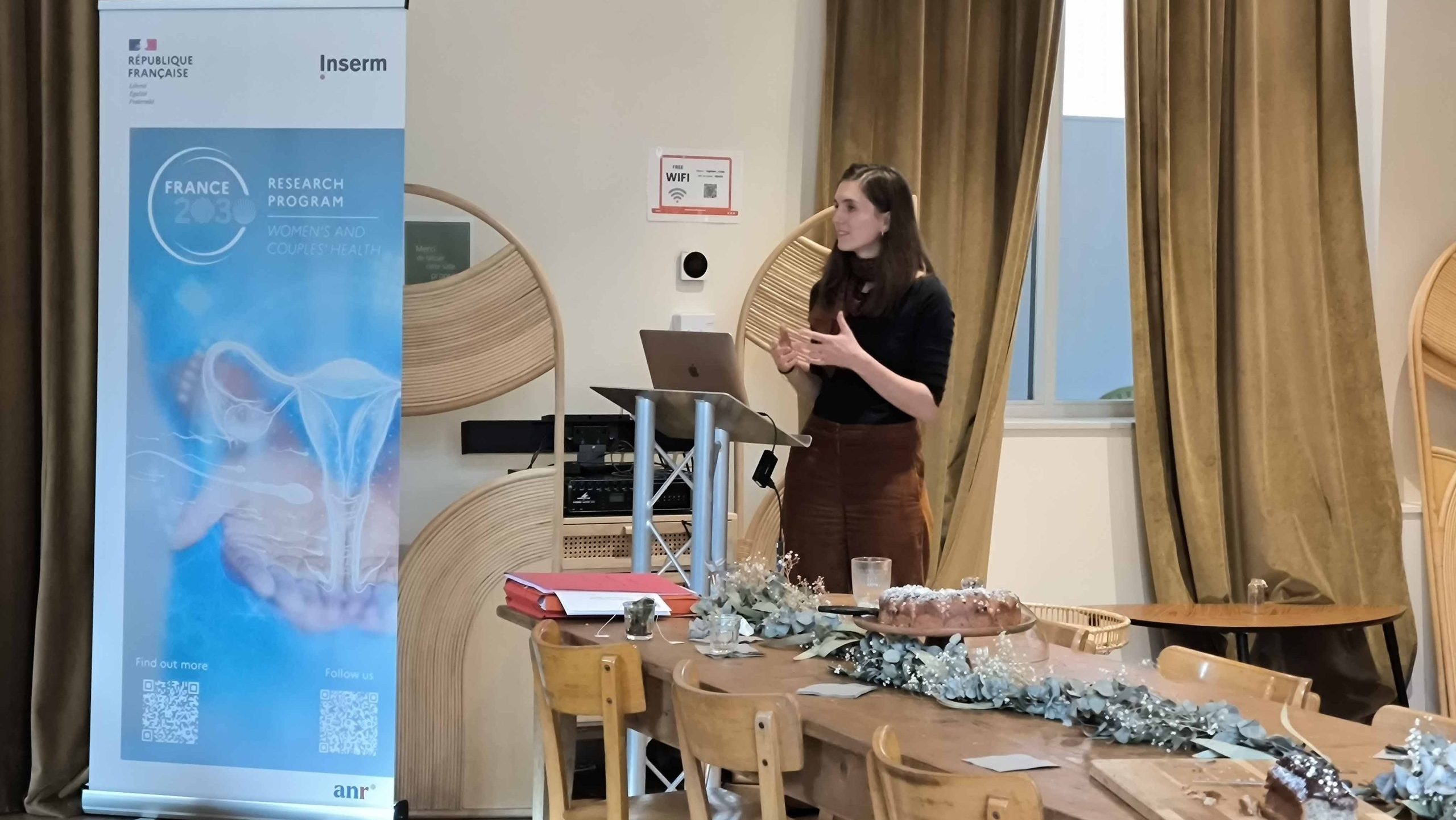
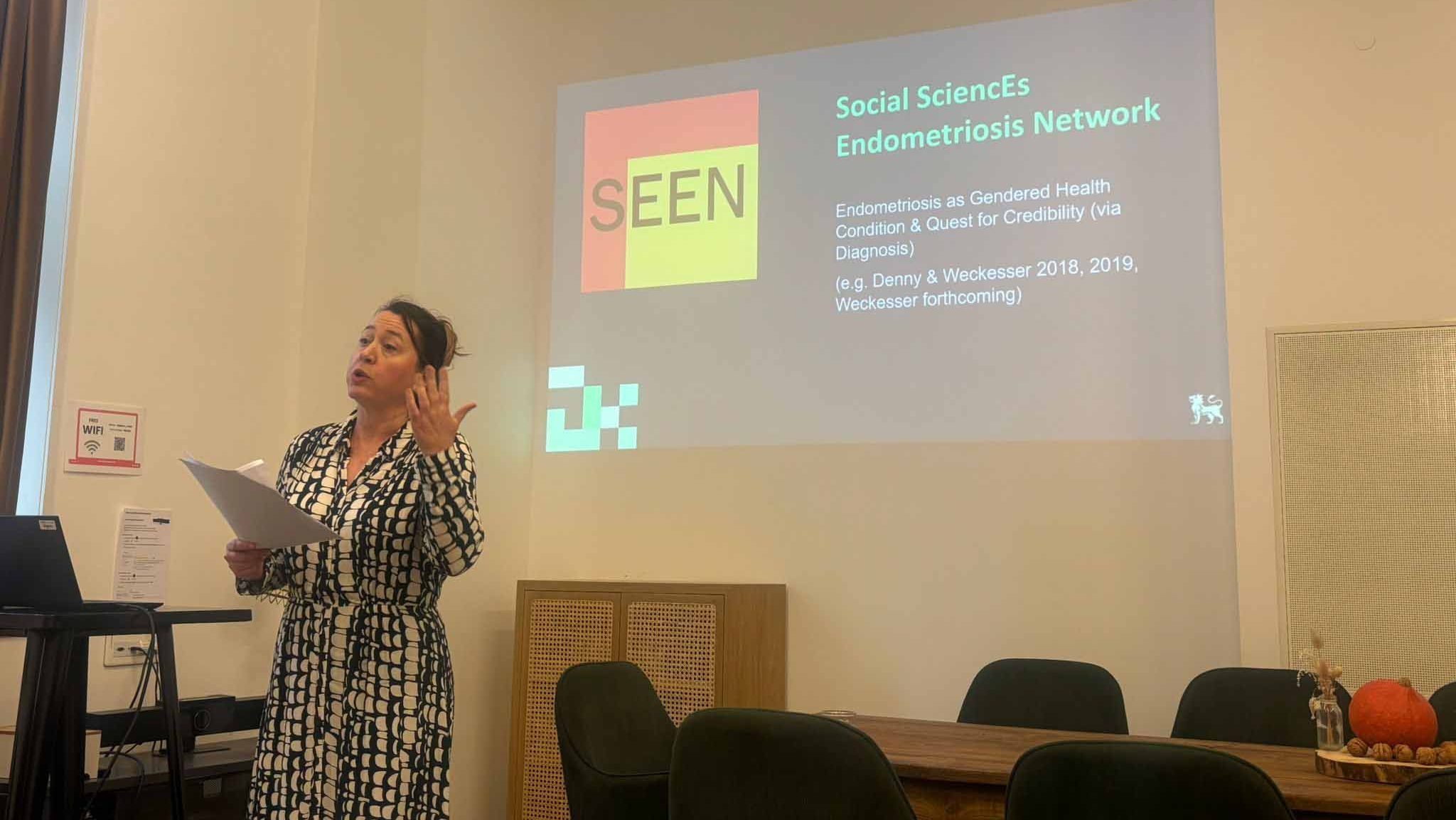
Maximilien Génard-Walton, a postdoctoral researcher working alongside Ronan Garlantézec at the University of Rennes, presented key figures on infertility and the success of assisted reproductive technologies in people with endometriosis. Annalise Weckesser, professor of medical and feminist anthropology at Birmingham City University, discussed the psychosocial impacts of infertility associated with endometriosis on patients and their partners. Mathilde Bourdon, gynecologist-obstetrician at the Institut Cochin, followed with a presentation on assisted reproductive technologies and a clinical case study workshop. Finally, the morning ended with a presentation by Ludivine Doridot, a researcher at the Cochin Institute, on the causes of infertility associated with endometriosis.
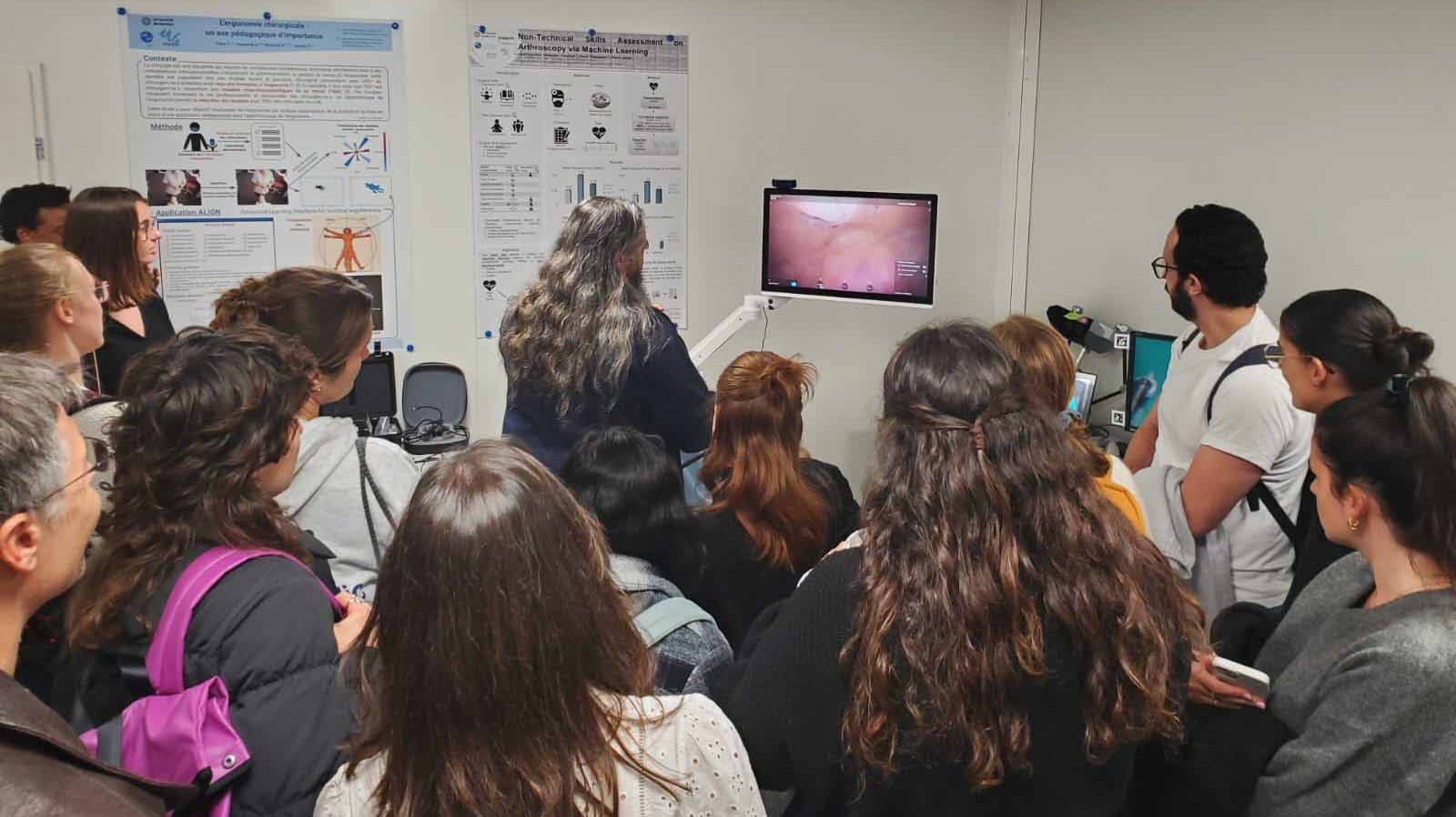
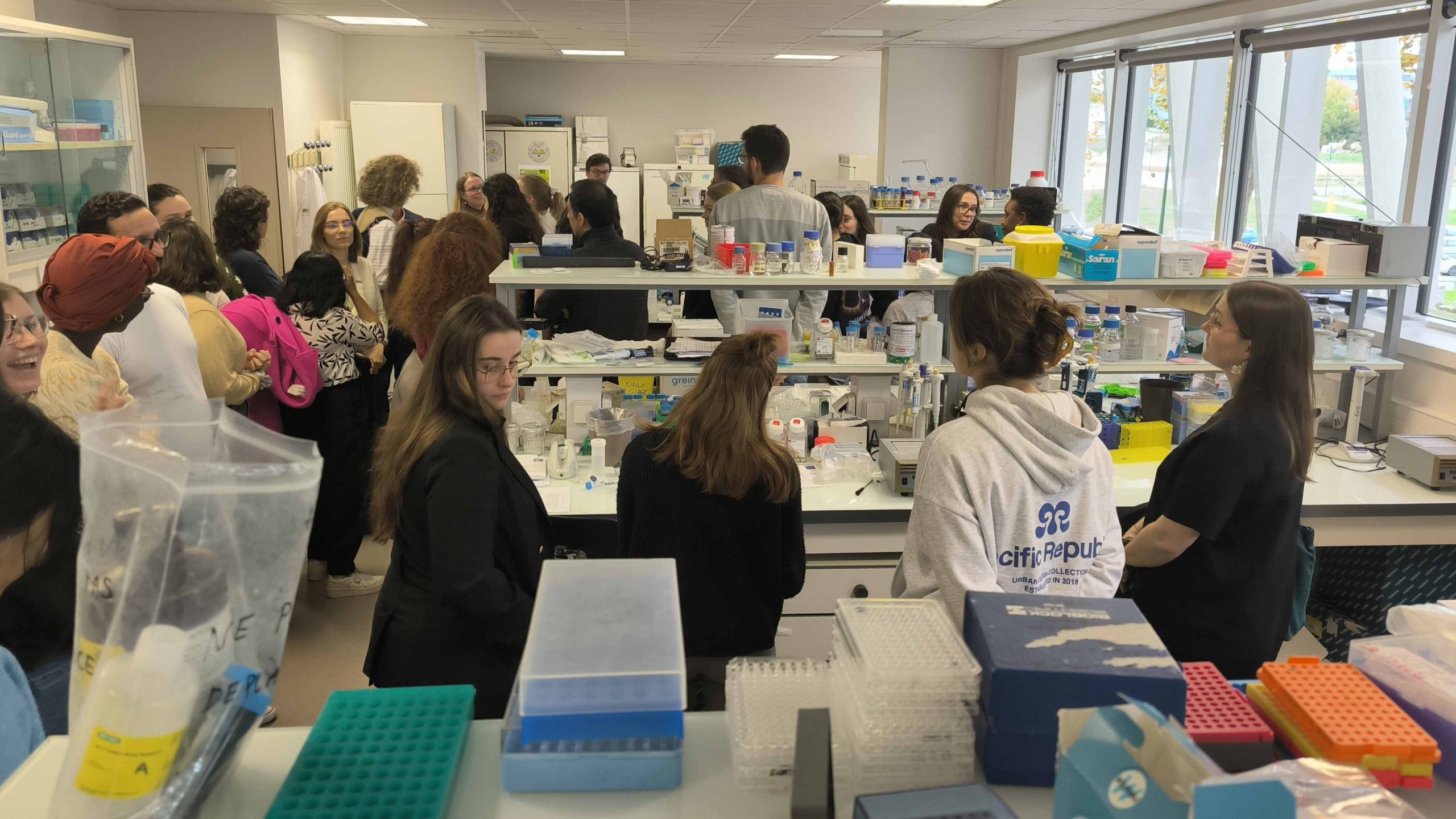
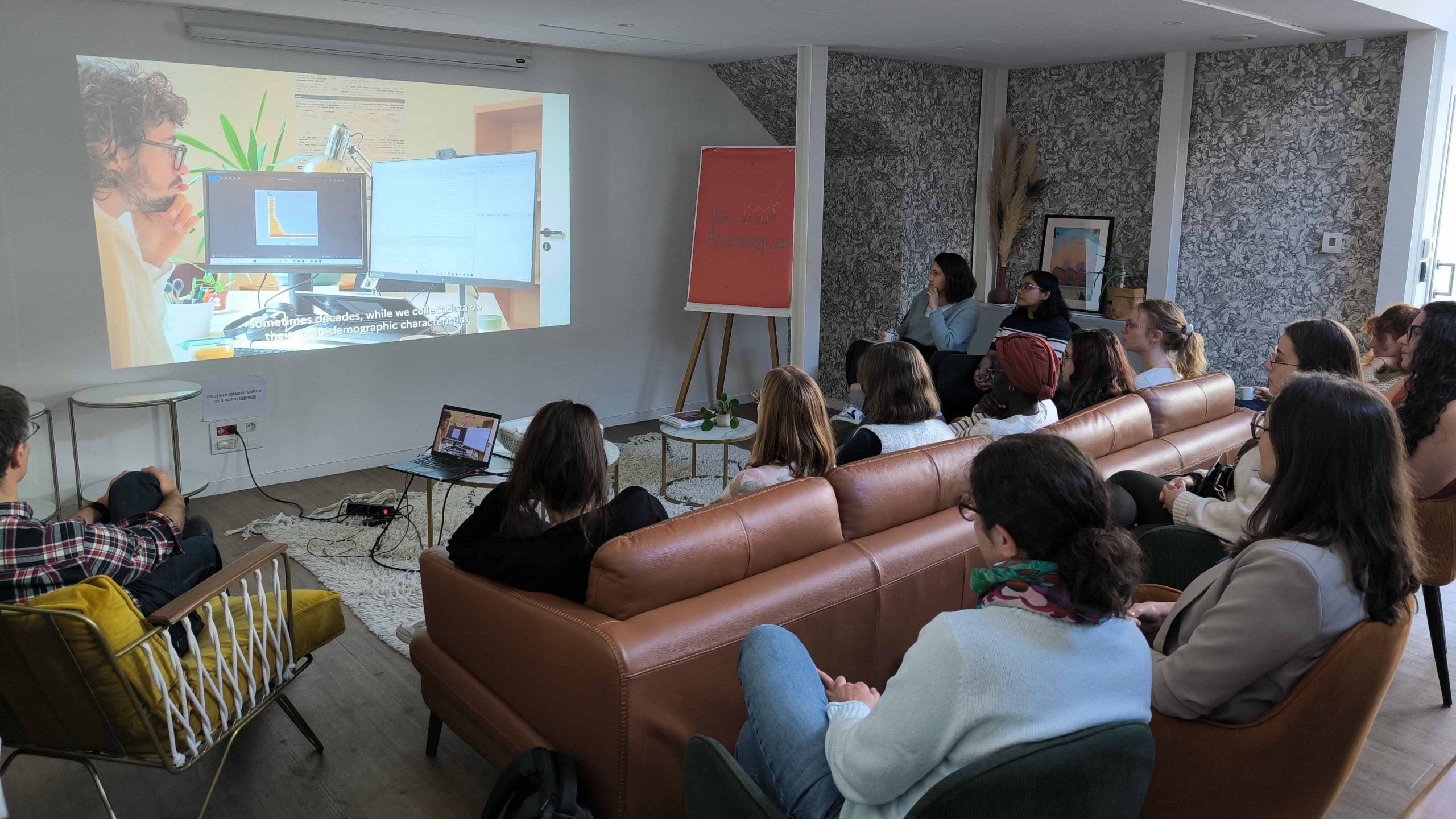
The afternoon was punctuated by a visit to Irset (Institute for Research in Health, Environment and Work) and LTSI (Signal and Image Processing Laboratory), and more specifically its MediCIS team (Modeling of Surgical and Interventional Knowledge and Procedures for Decision Support).
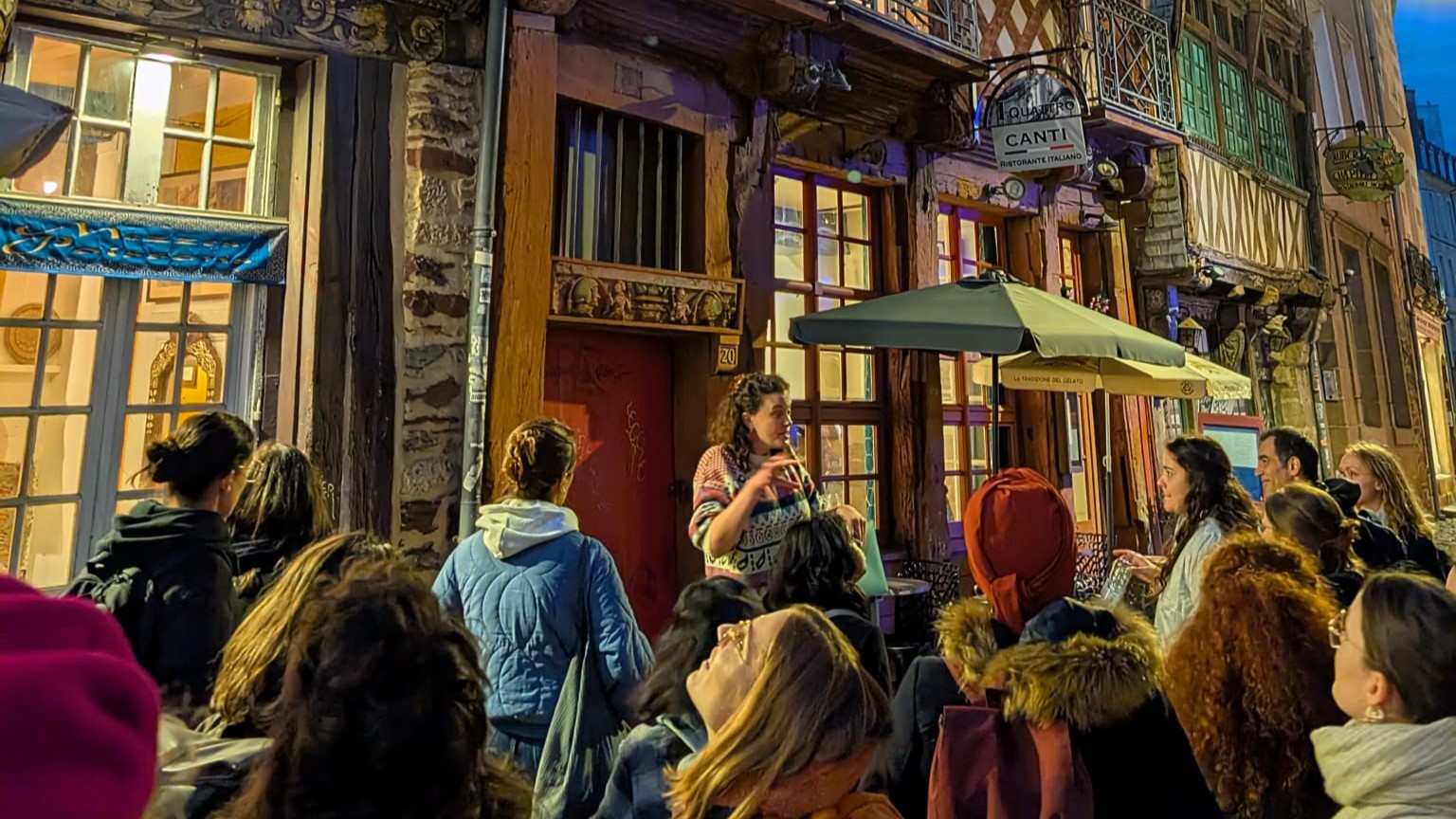
Finally, the day ended with a guided tour of the city of Rennes and dinner at a Breton crêperie.
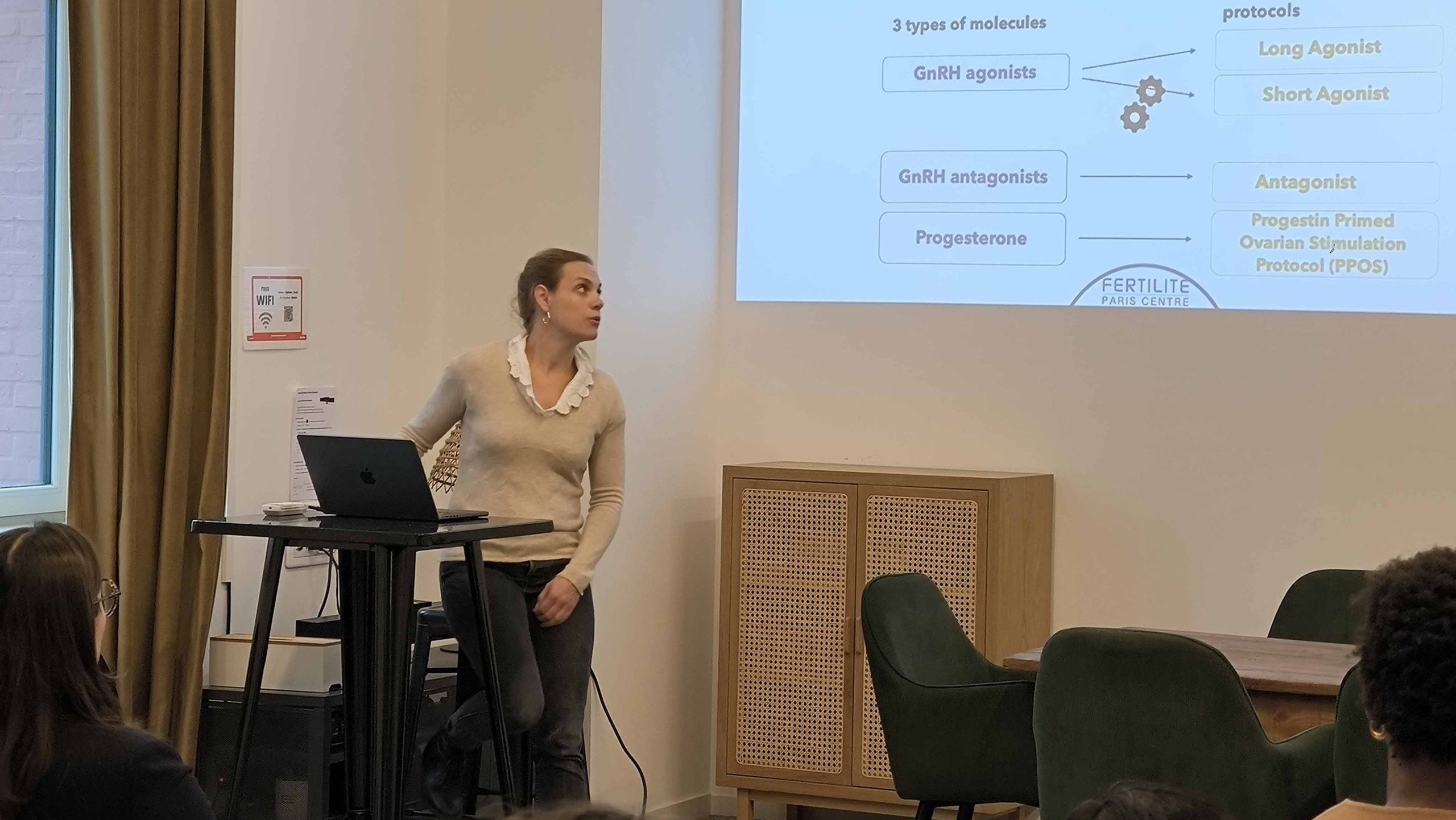
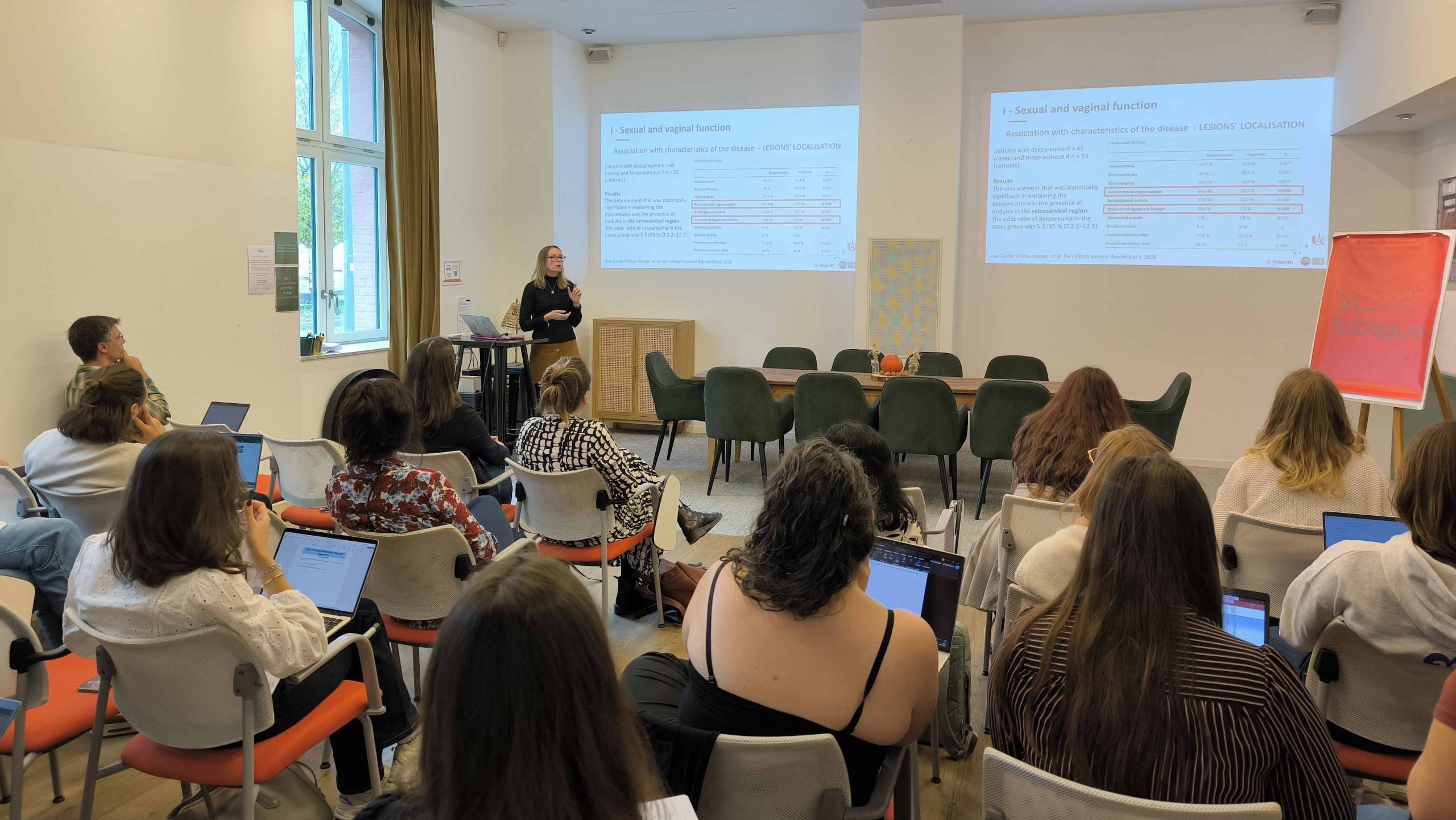
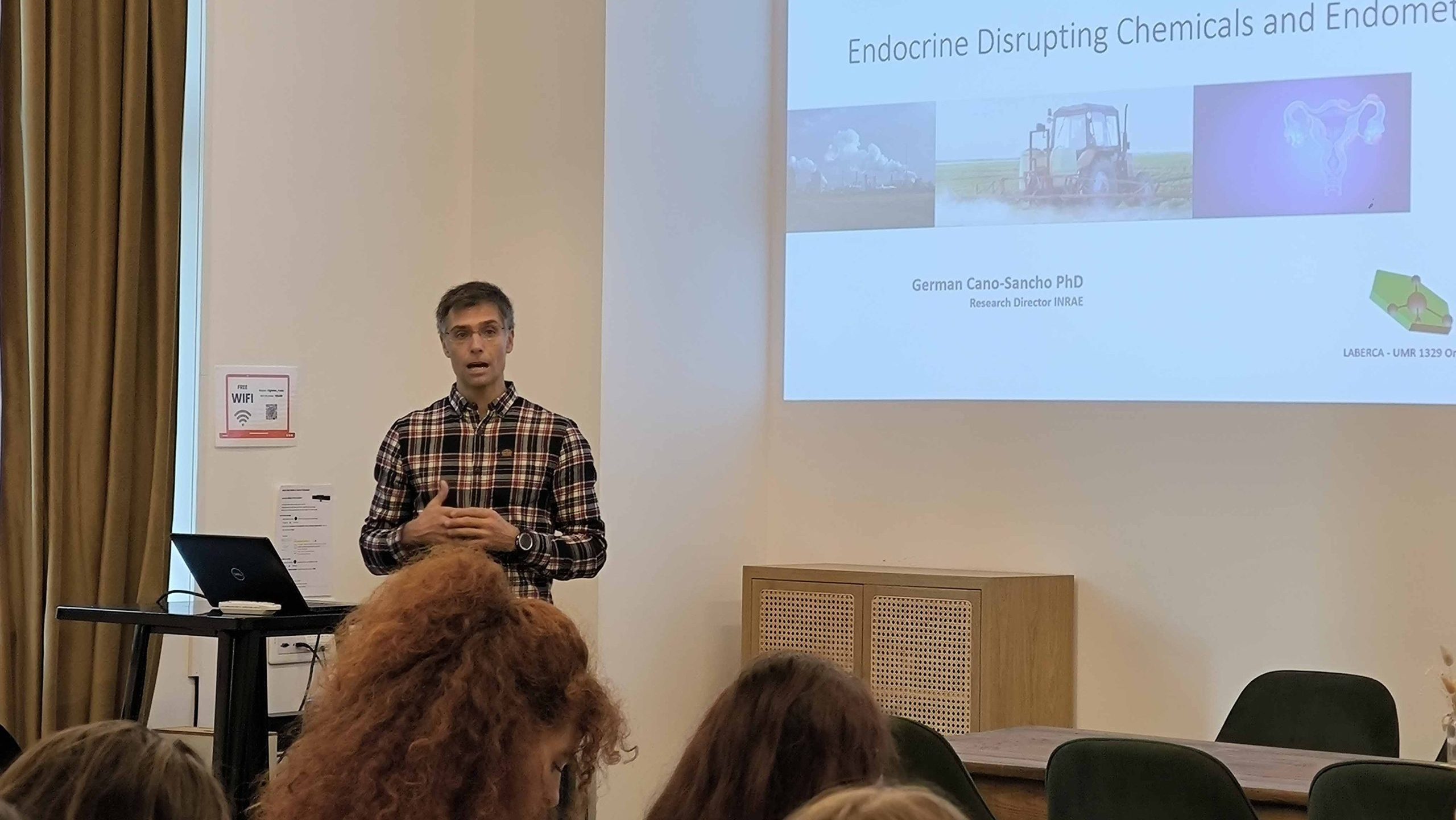
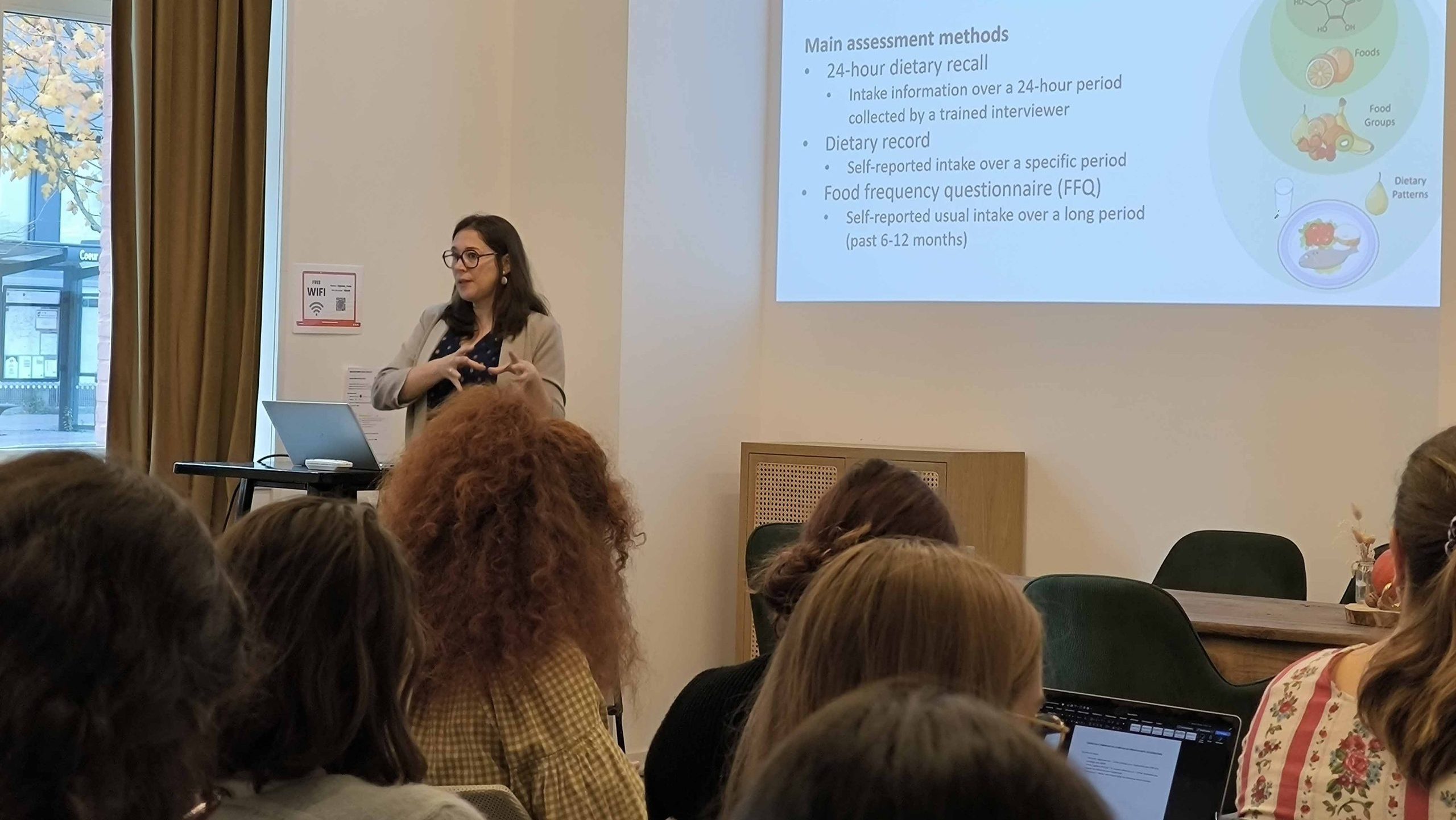
On Thursday, November 6, German Cano Sancho, an INRAE researcher specializing in contaminants and environmental exposure, discussed the links between endocrine disruptors and other pollutants and endometriosis. Marina Kvaskoff followed with a focus on diet, and Daniel Vaiman, Inserm research director at the Cochin Institute, addressed the issue of epigenetic factors.
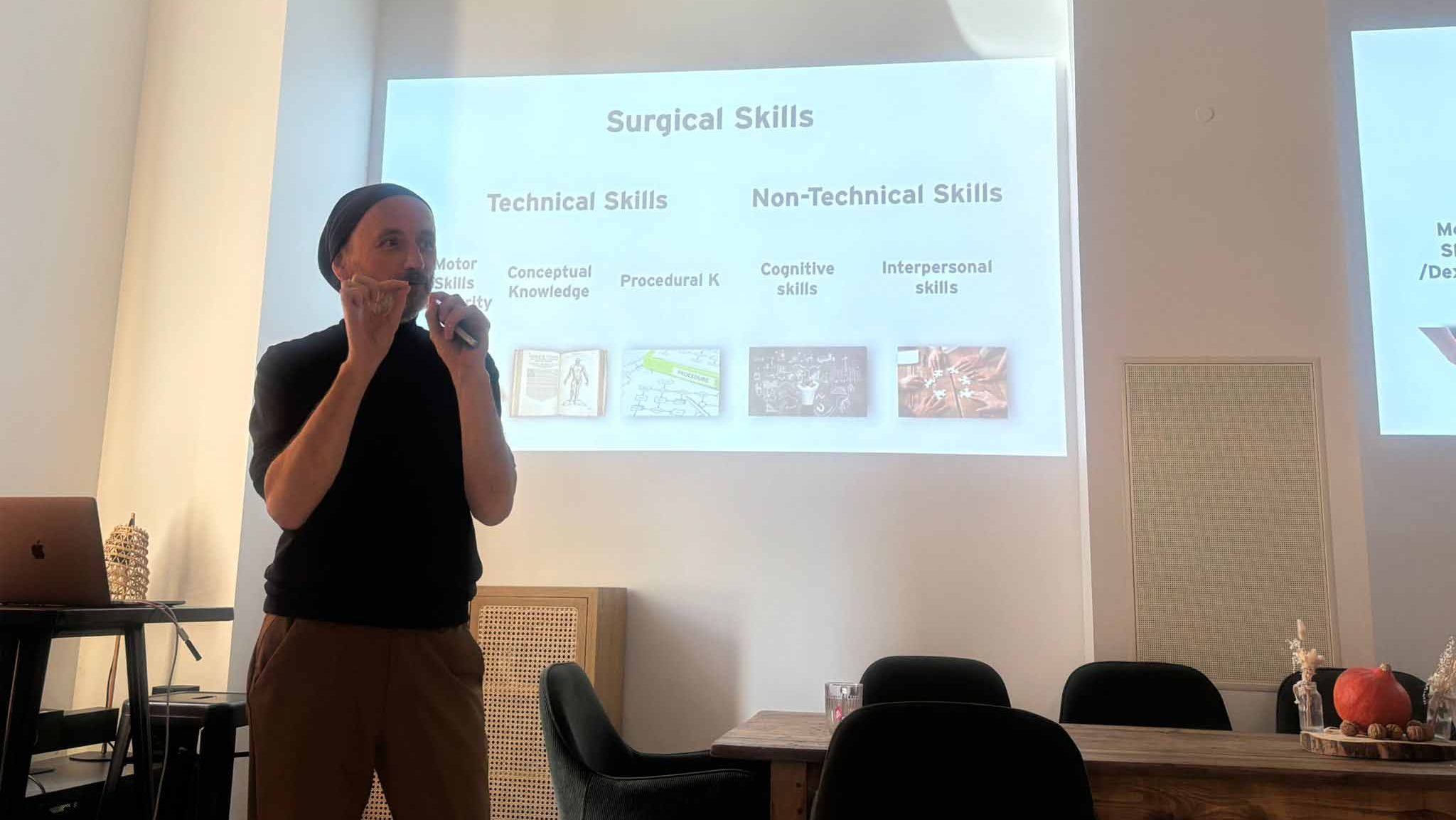
The end of the morning was devoted to a presentation on the basics of pelvic anatomy with Krystel Nyangoh Timoh, and the use of AI for processing surgical data with Pierre Jannin, Inserm research director and head of the MediCIS team at LTSI.
After the lunch break, participants were given a virtual tour of the Institut Cochin with Ludivine Doridot and the CESP (Center for Research in Epidemiology and Population Health) with Marina Kvaskoff. Géraldine Escriva-Boulley, lecturer and researcher at the University of Nîmes, then presented the CRESCENDO program she is leading to explore the links between the psychological symptoms of endometriosis and adapted physical activity.
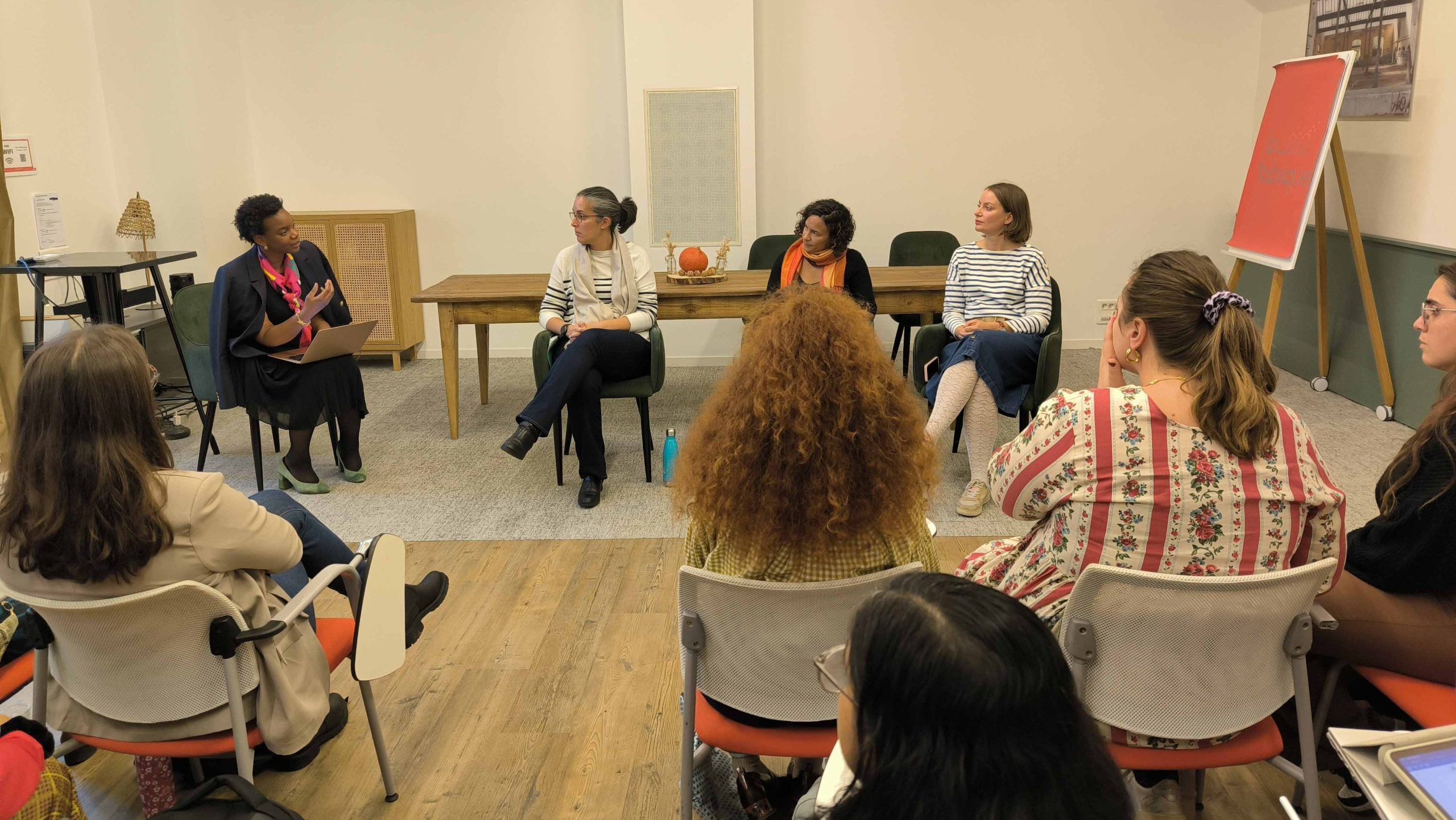
The afternoon ended with a round table discussion moderated by Krystel Nyangoh Timoh on complementary approaches to the treatment of endometriosis with Maïa Alexaline, scientific director of the startup Lyv, Véronique Pereira, patient expert from the ENDOmind association, and Géraldine Escriva-Boulley.
Finally, the day ended with drinks, during which the researcher members of the organizing committee were able to look back on their journeys and careers: an emotional and inspiring moment.
The final day of this fall school was structured around three sessions:
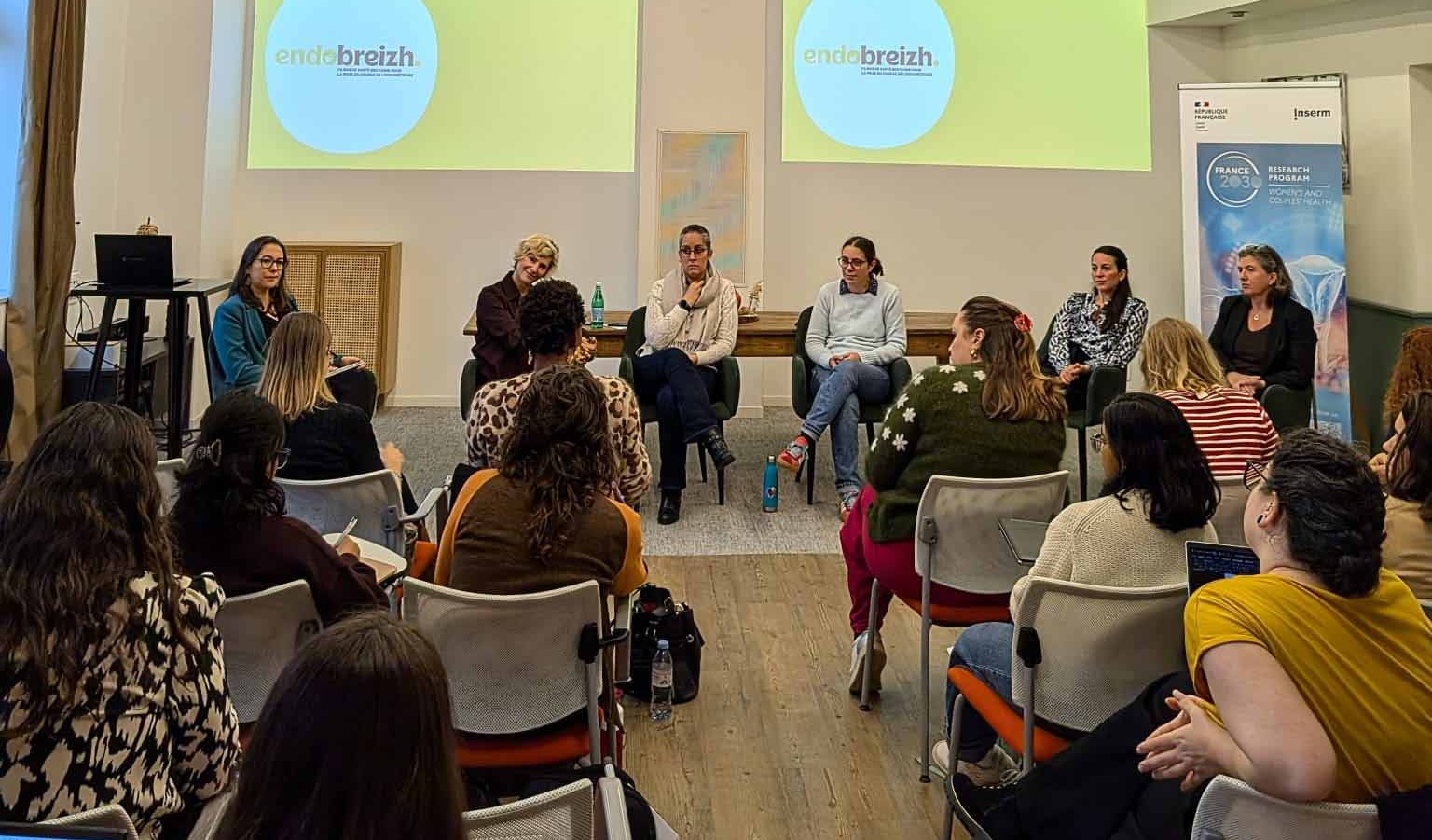
- a round table moderated by Marina Kvaskoff on the role of patient associations, participatory research, and healthcare networks with Valérie Desplanches, president of the Fondation pour la Recherche sur l’Endométriose, Marie-Paule Bernicot, coordinator of the Endobreizh association, Axelle Brulport, researcher at Inserm, Ophélie Carta, and Véronique Pereira.
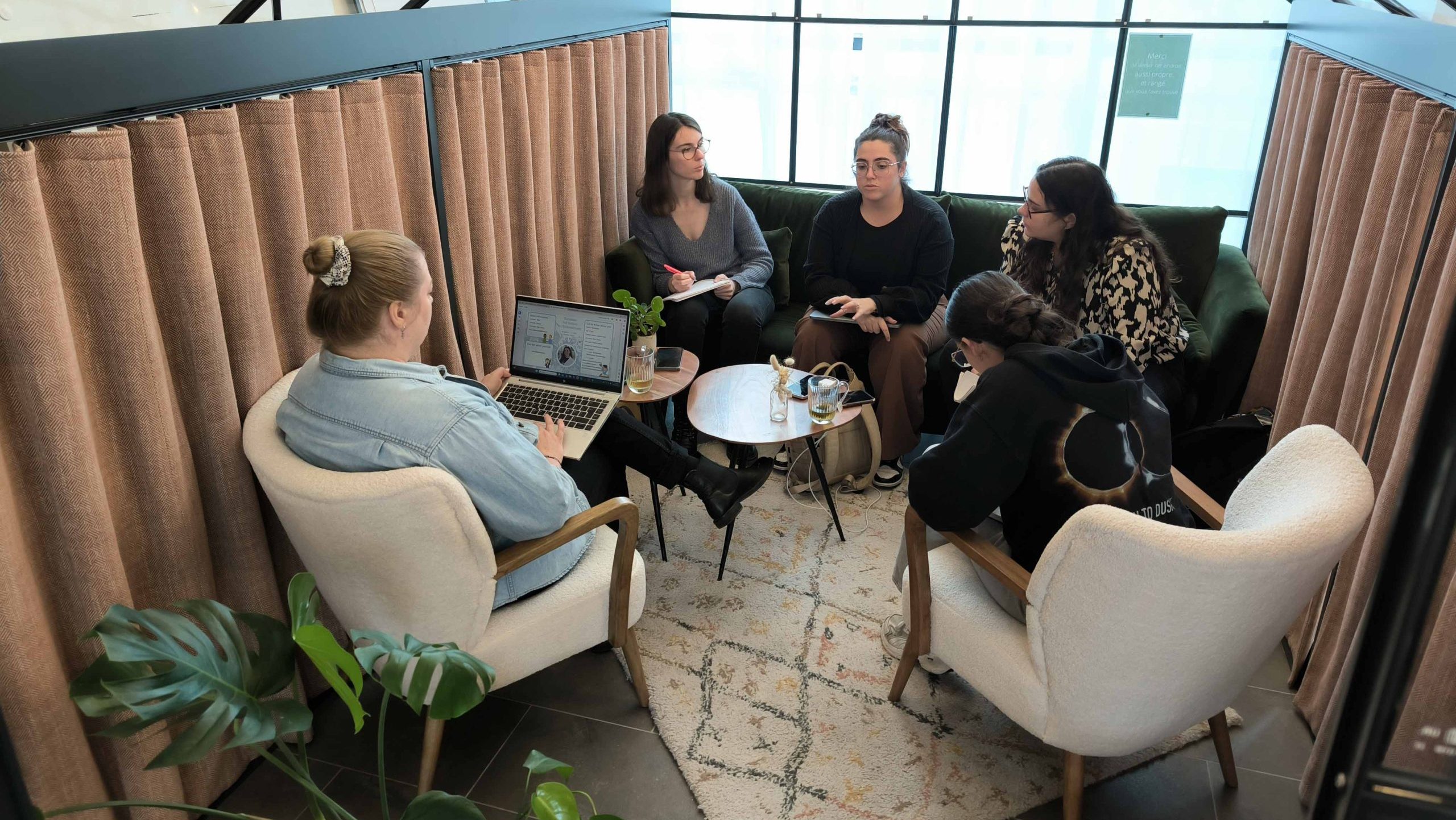
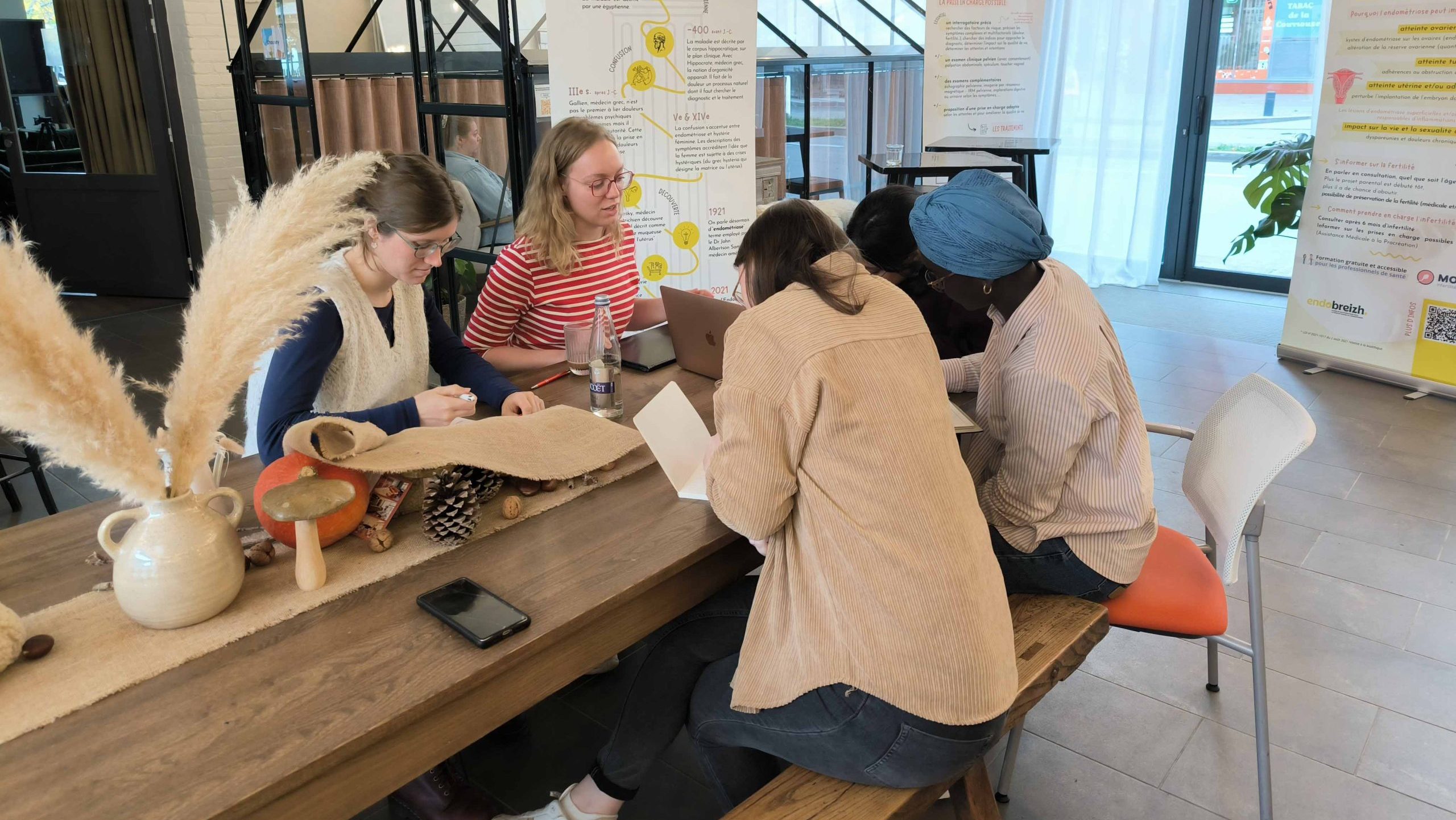
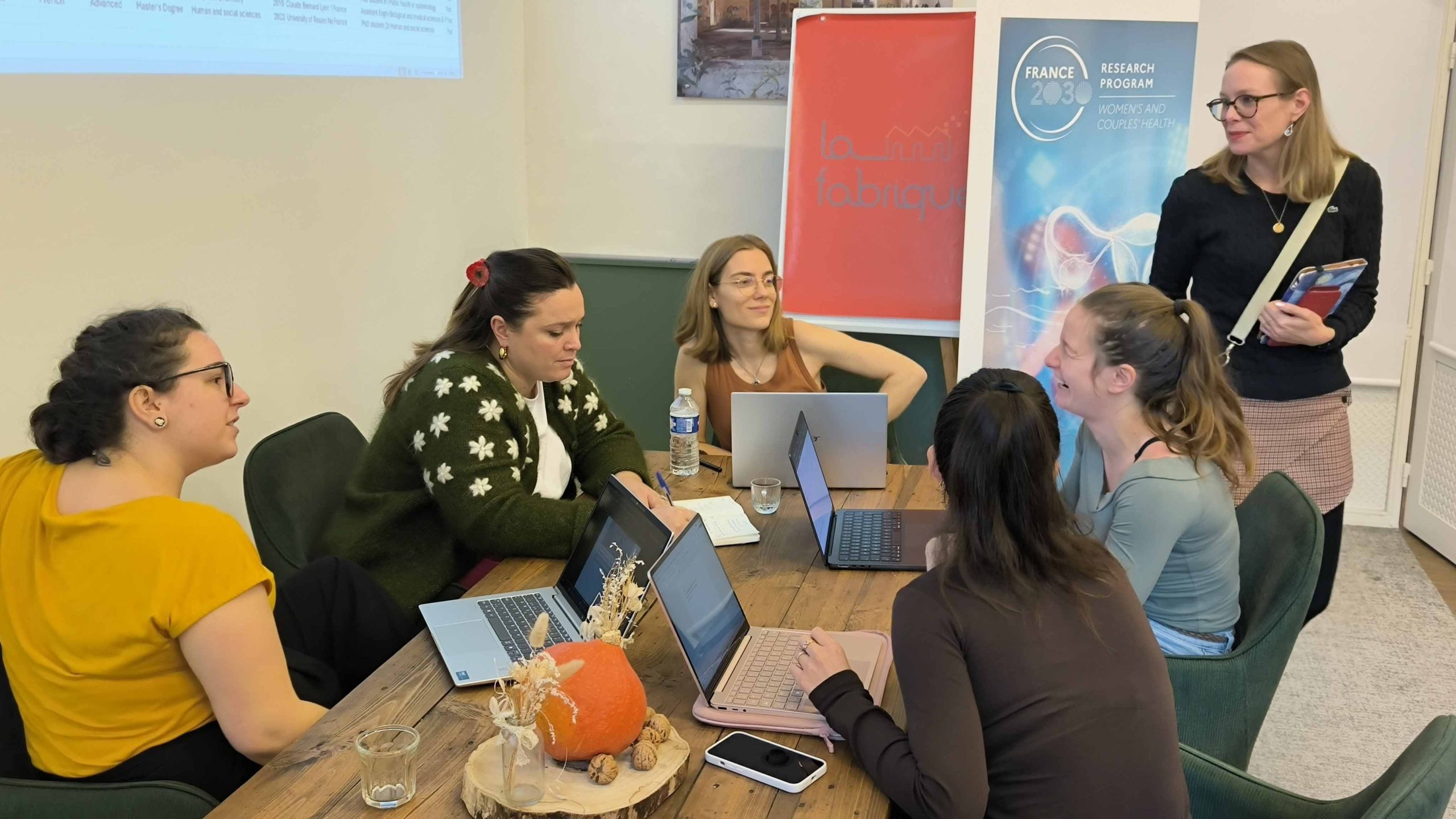
- a mini-hackathon: organized in groups of four to five people, participants were tasked with combining their expertise to build a multidisciplinary research project. The projects were then presented and submitted to questions from the audience.
- a series of presentations on the future of endometriosis care and research, with a focus on the SaFe PEPR and its multidisciplinary research consortium, InENDO.
- Ludivine Doridot, researcher at the Cochin Institute and co-coordinator of the InENDO multidisciplinary research consortium
- German Cano Sancho, INRAE researcher specializing in contaminants and environmental exposure and co-coordinator of the InENDO multidisciplinary research consortium
- Krystel Nyangoh Timoh, gynecological surgeon at Rennes University Hospital and member of the InENDO multidisciplinary research consortium
- Marina Kvaskoff, epidemiologist at Inserm and coordinator of the EPI-ENDO focus project
- Jean Rosenbaum, scientific coordinator of the PEPR SaFe
- Éléna Gonçalves, program manager of the PEPR SaFe
- Aurore Brunet, communications officer for the PEPR SaFe
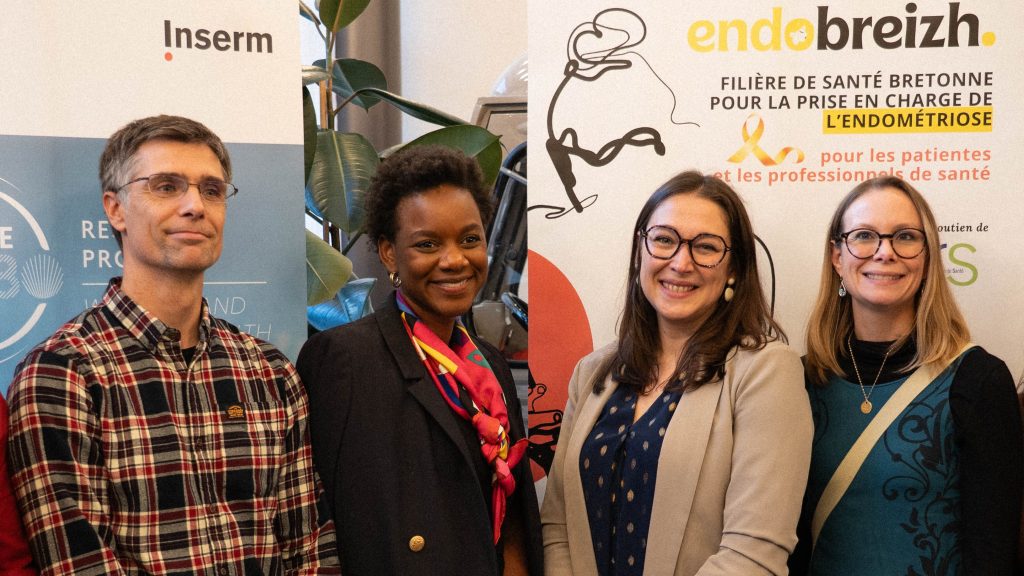
Caption – From left to right: German Cano Sancho, Krystel Nyangoh Timoh, Marina Kvaskoff, and Ludivine Doridot